
'Hora Lupi', Estonian Pavillon, 60th Venice Biennale
-selected works
View: ,
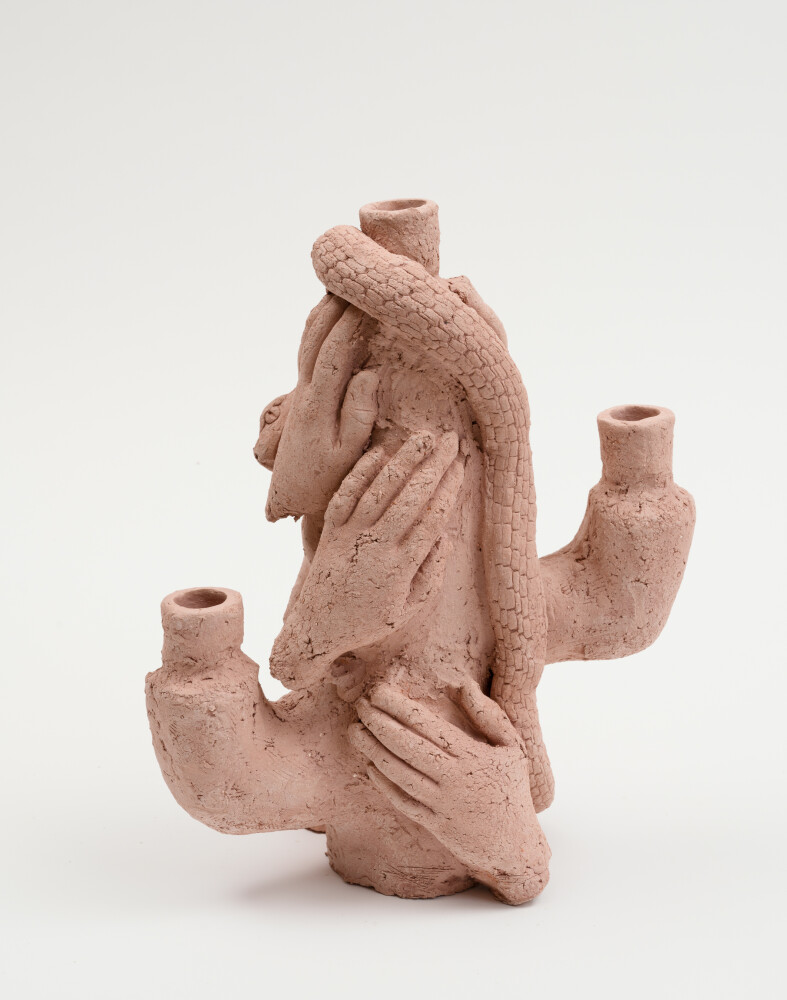
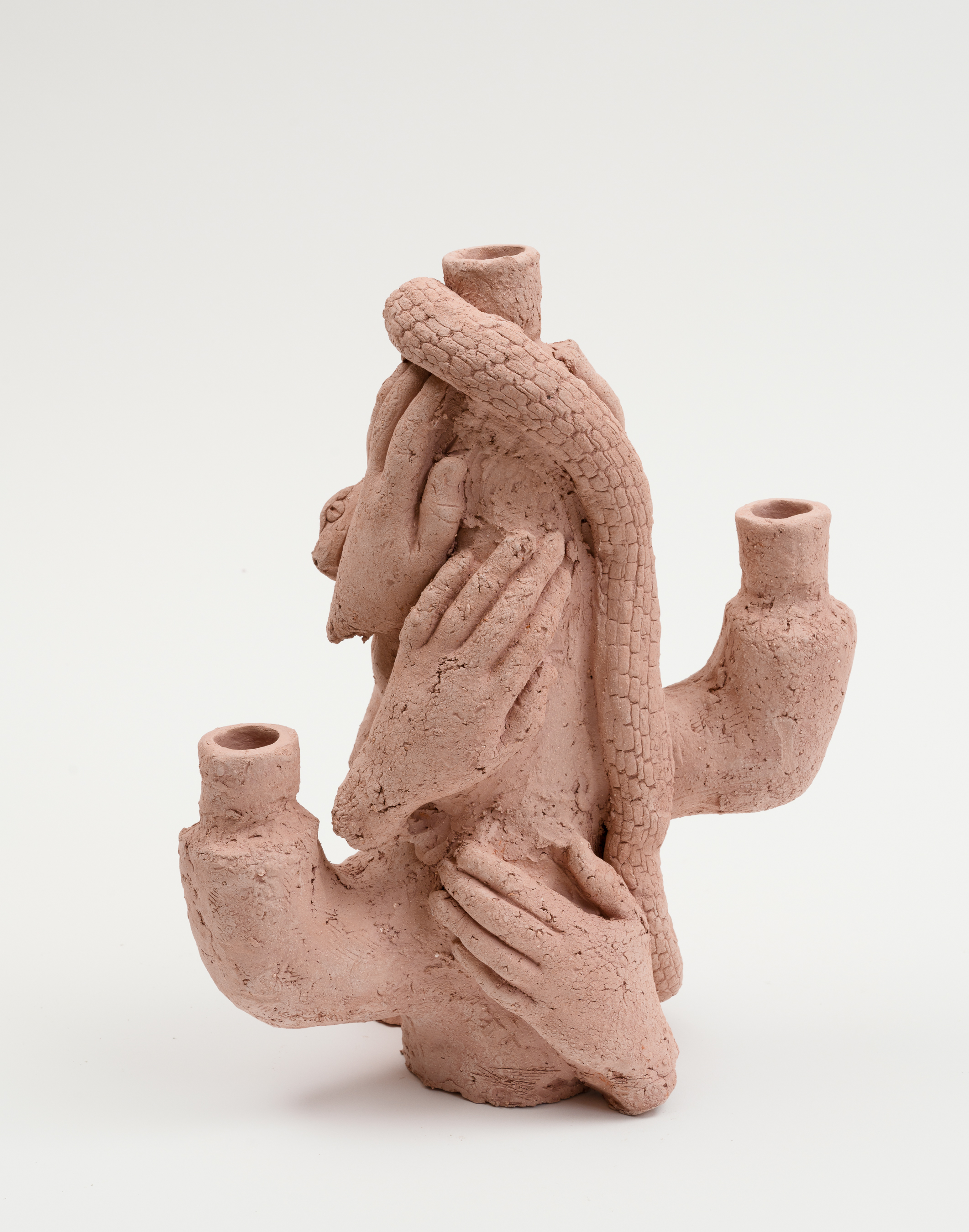
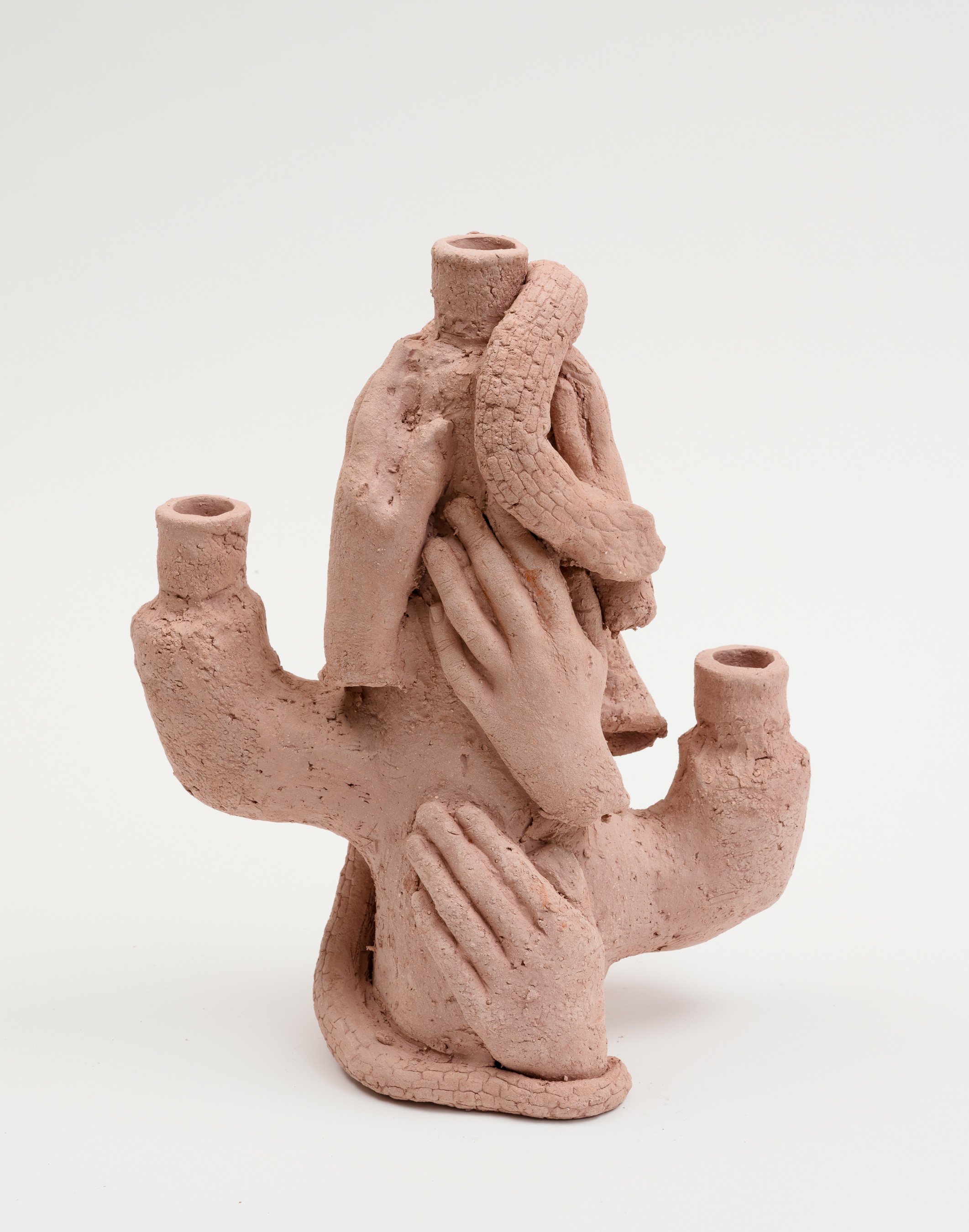
'Return to Innocence'
ceramics 30×25×12cm 2024

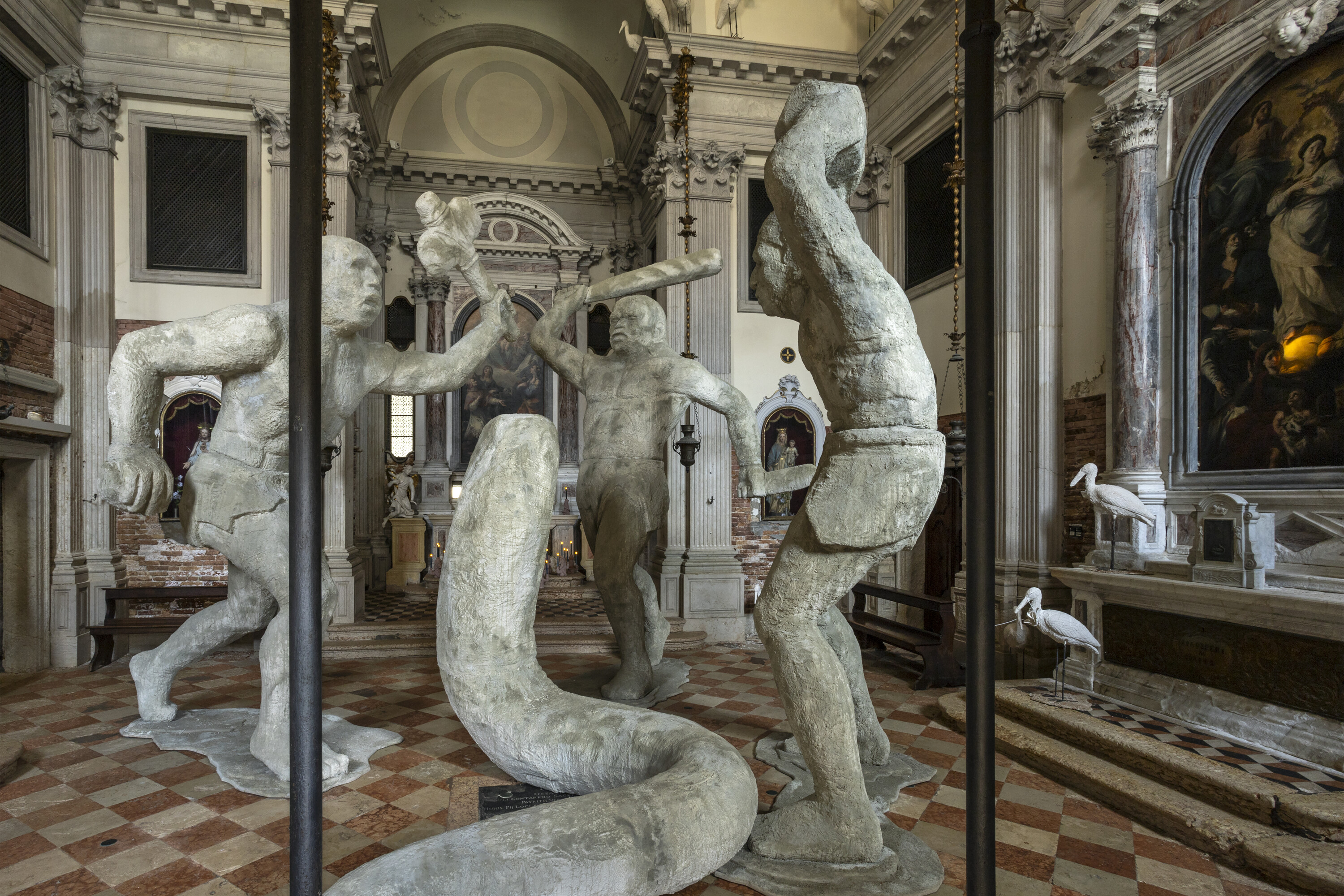
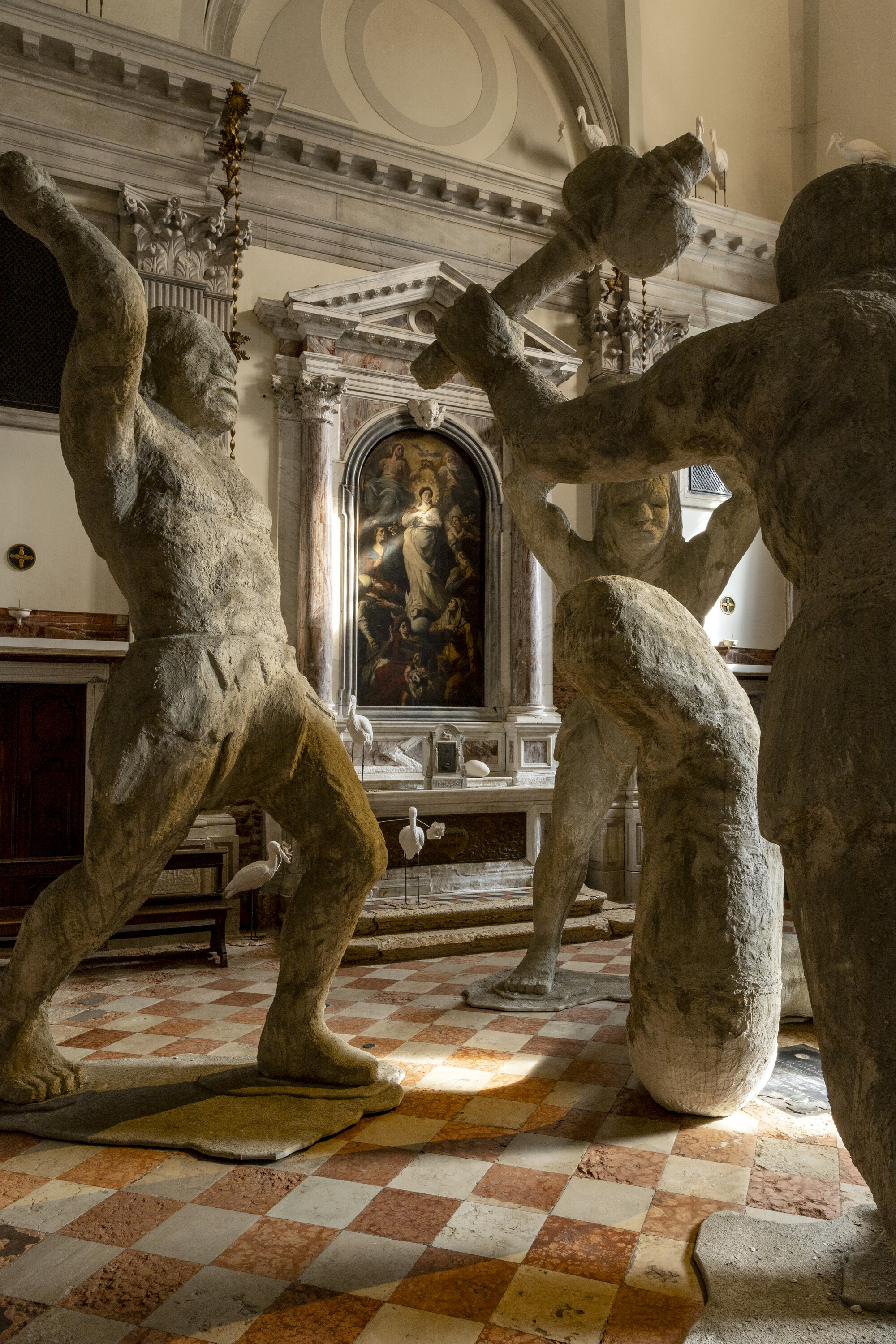
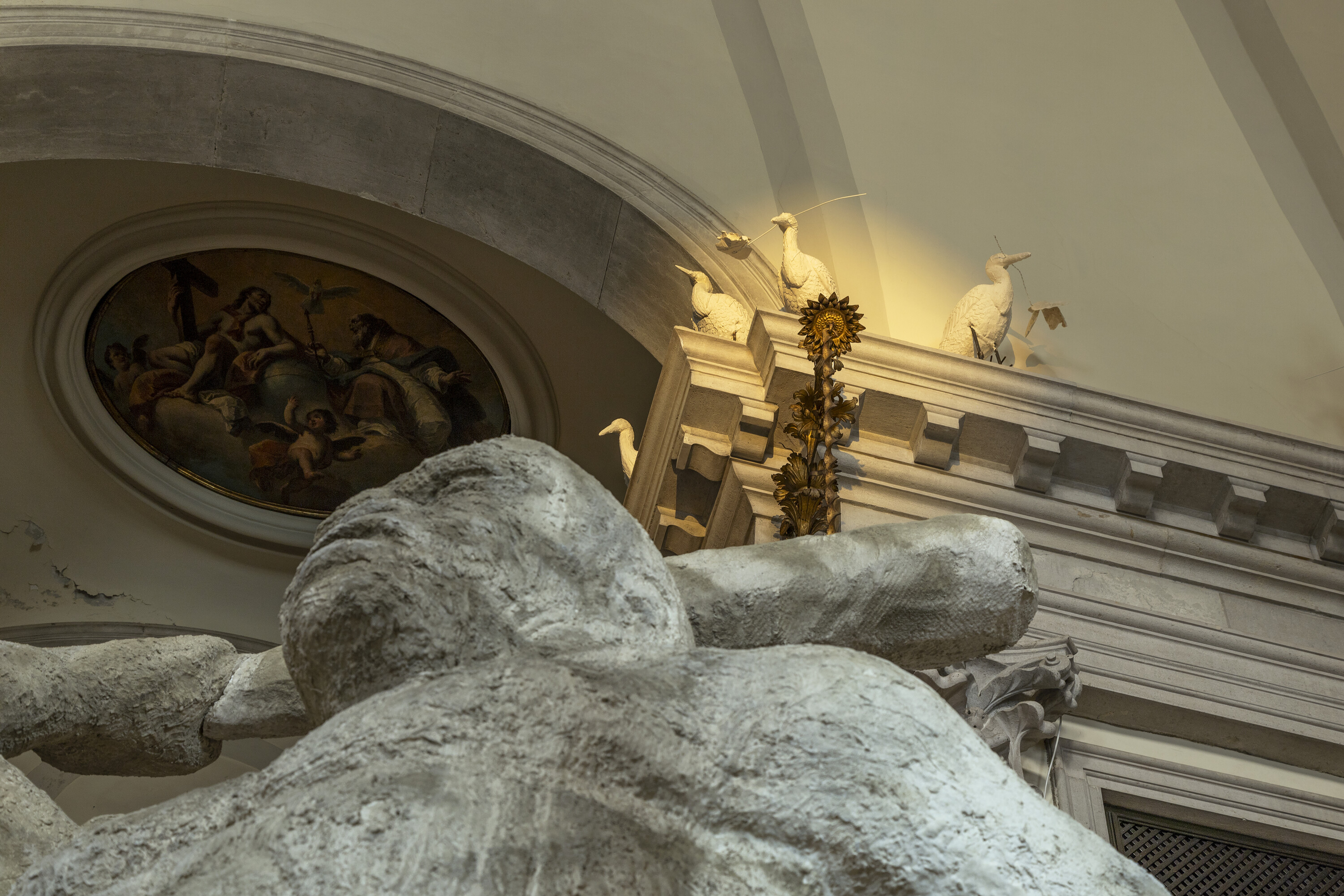
'Hora Lupi /neanderthals and snake/'
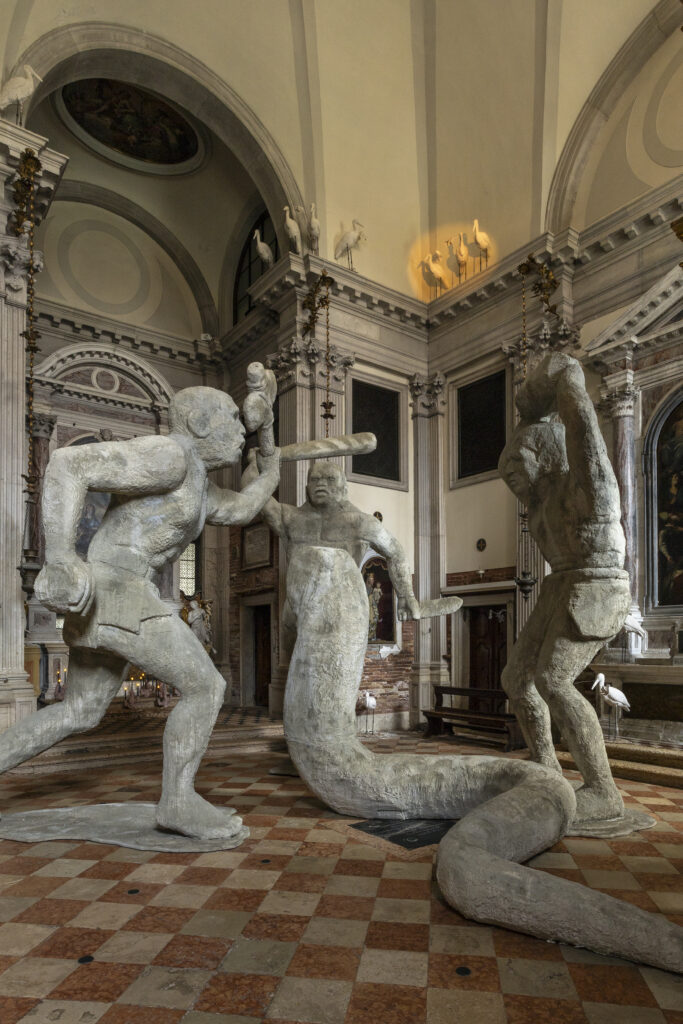
mineral-based acrylic composite, iron. Size for every figure: 500×3500×300cm 2024
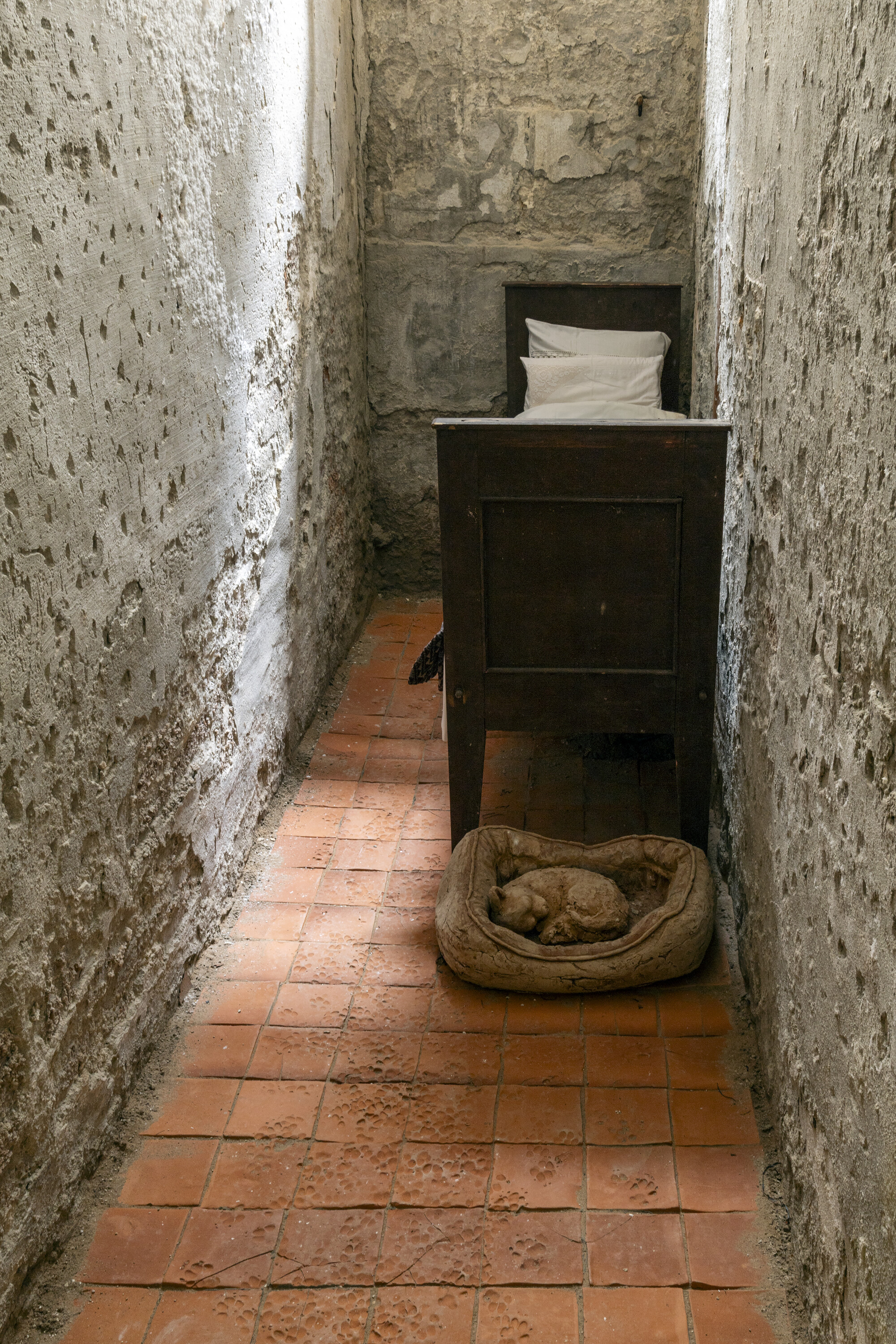
'Hora Lupi /sleeping dog/'
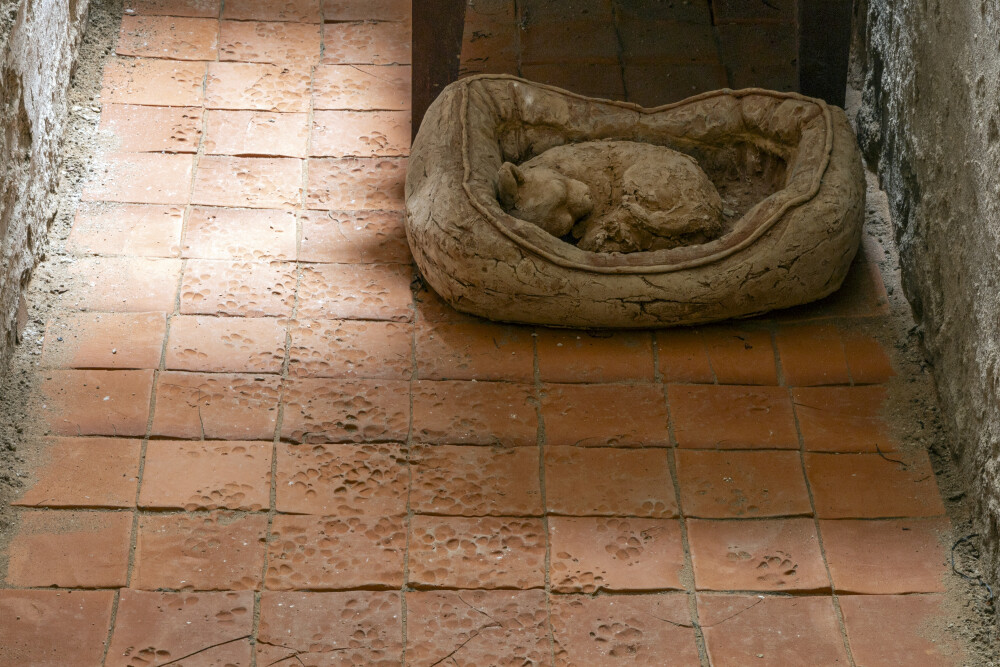
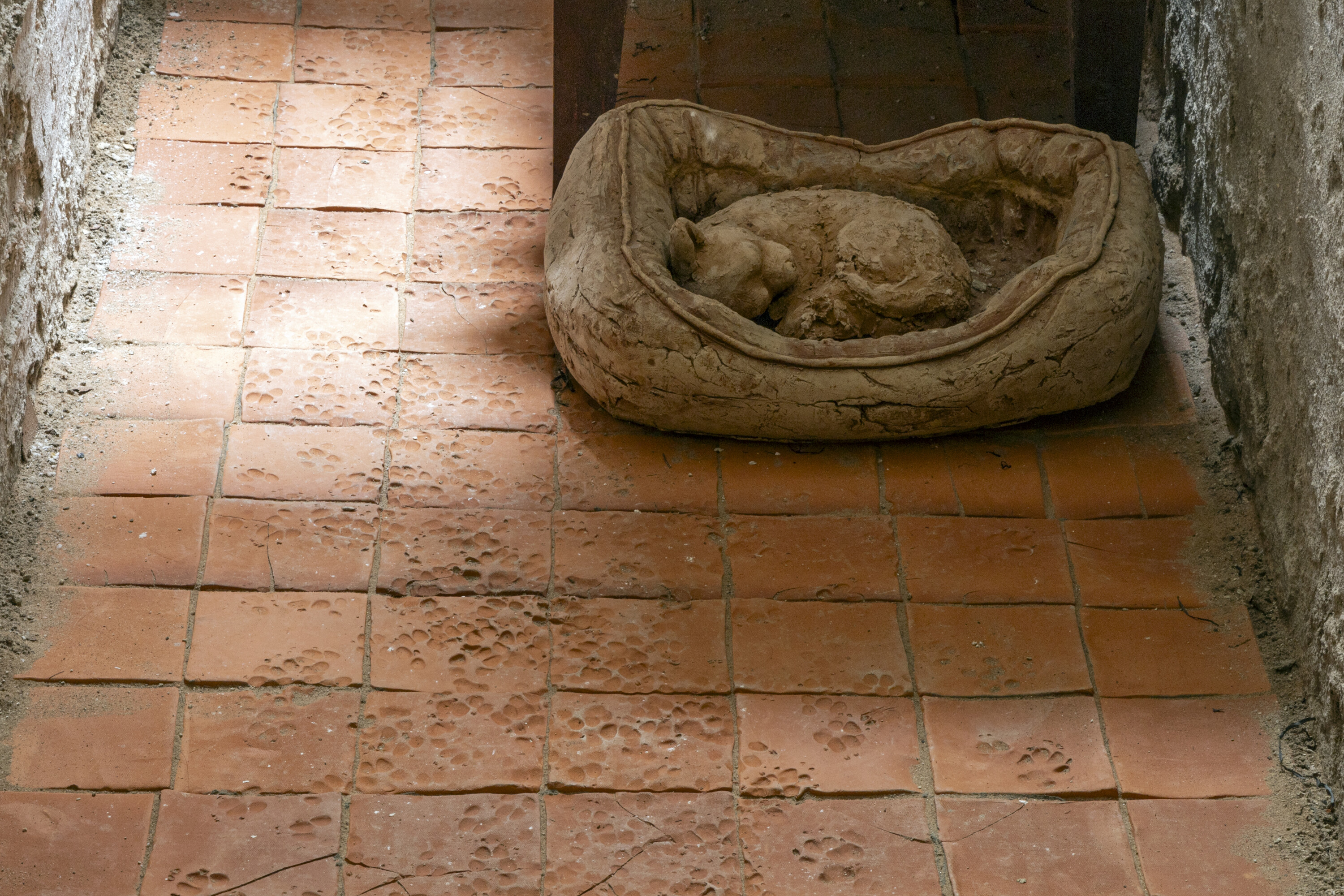
terra-cotta 20×55×40cm 2024
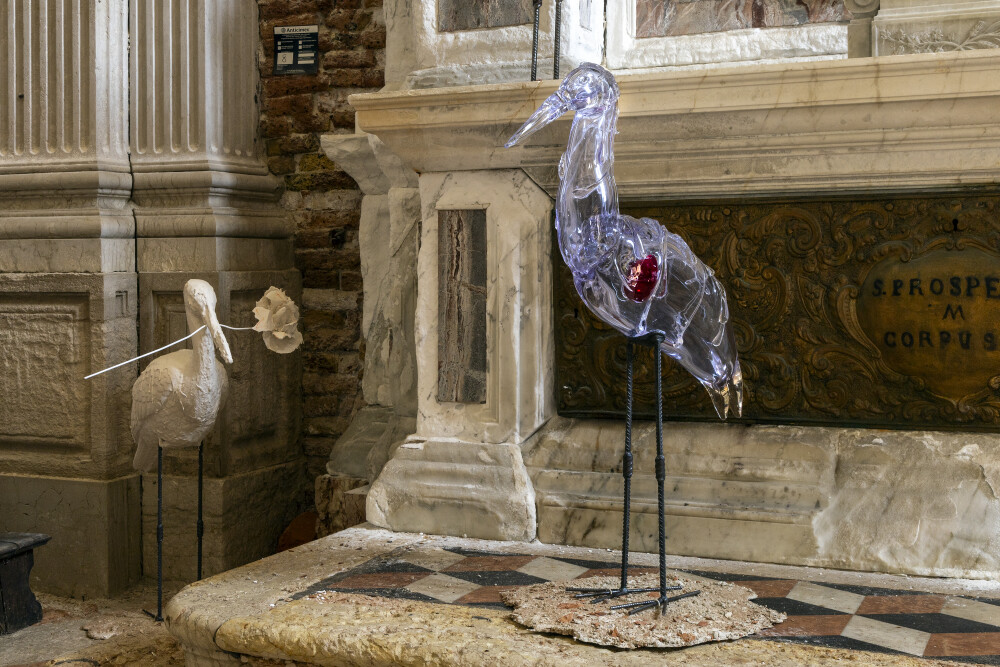
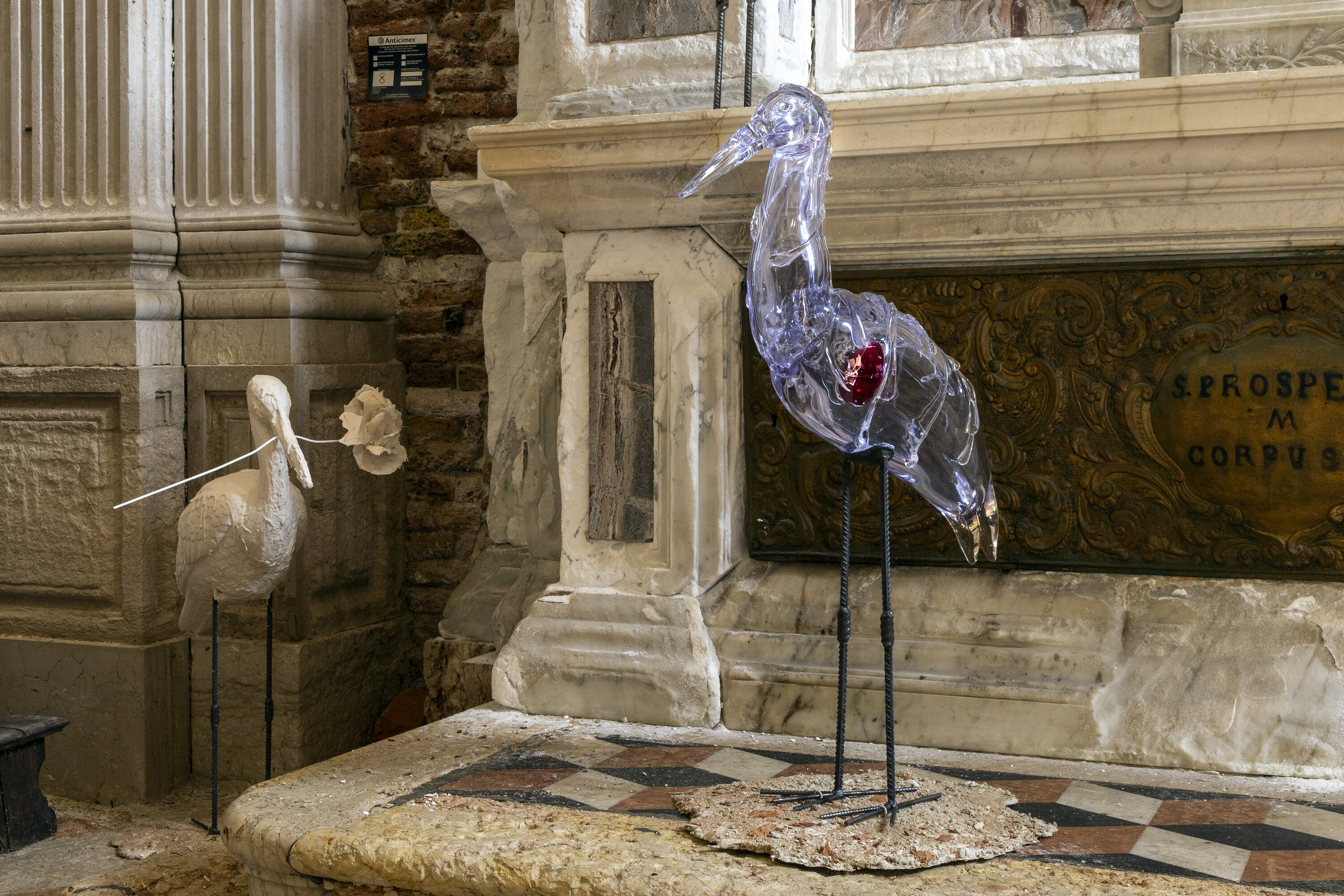
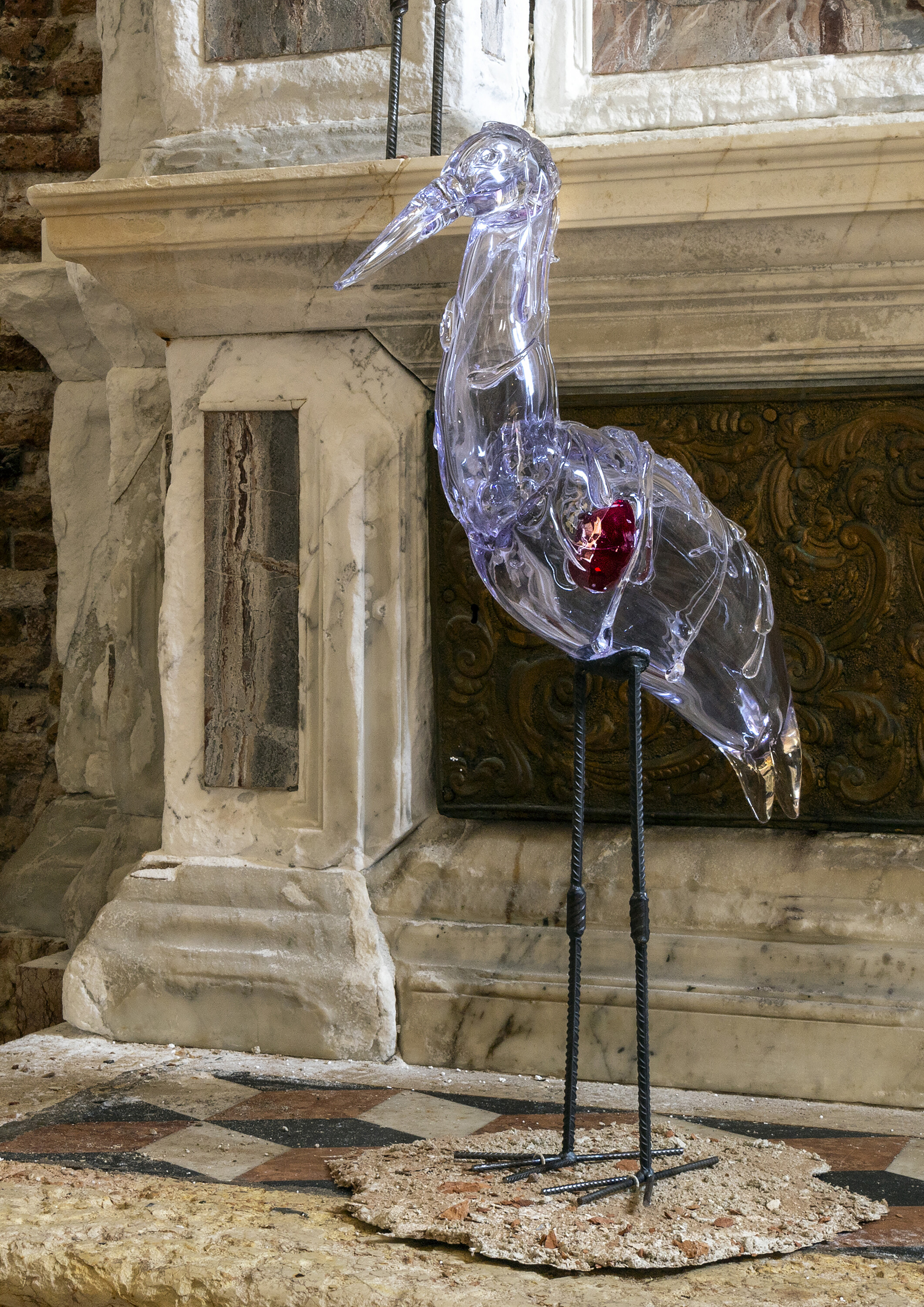
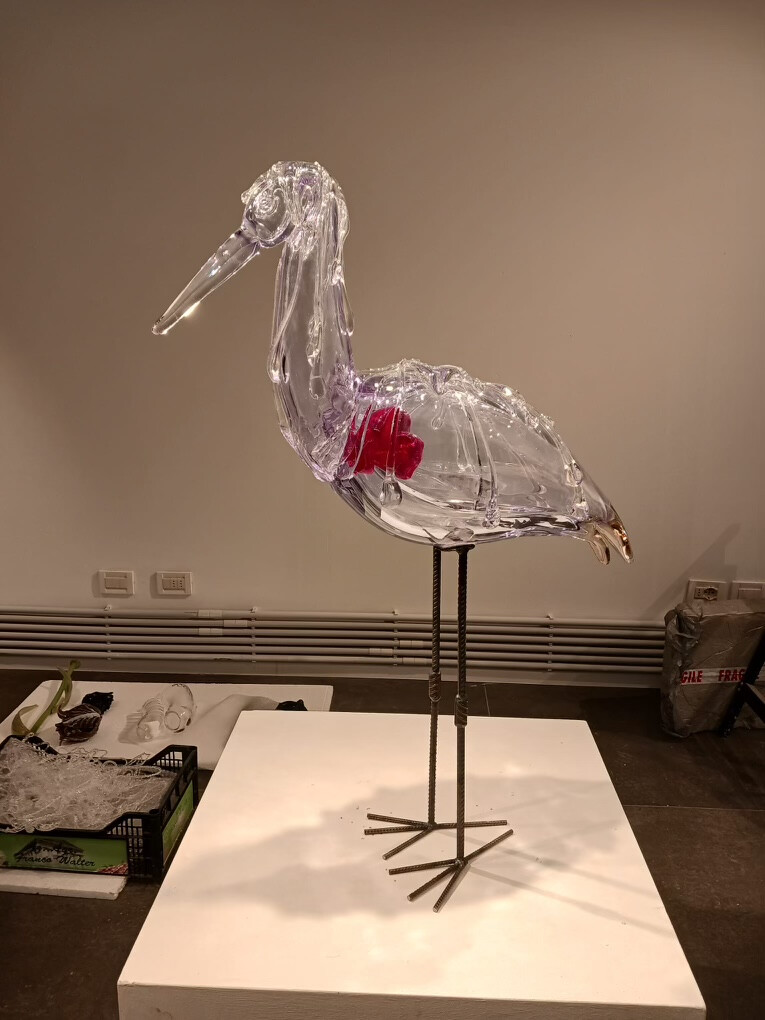
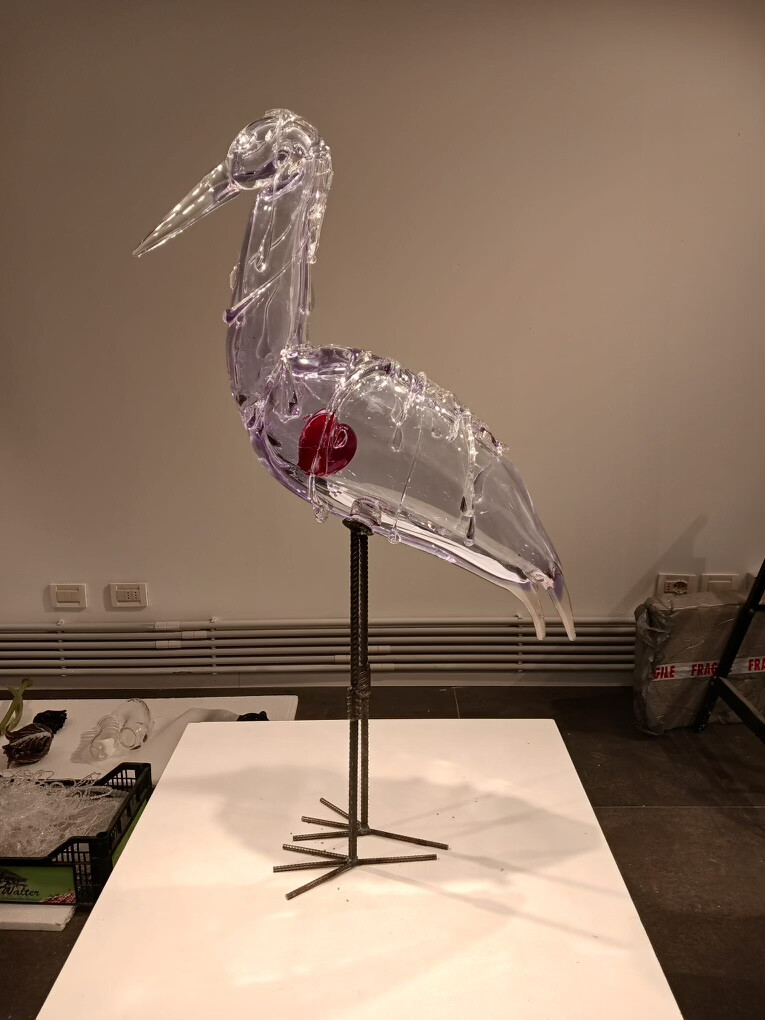
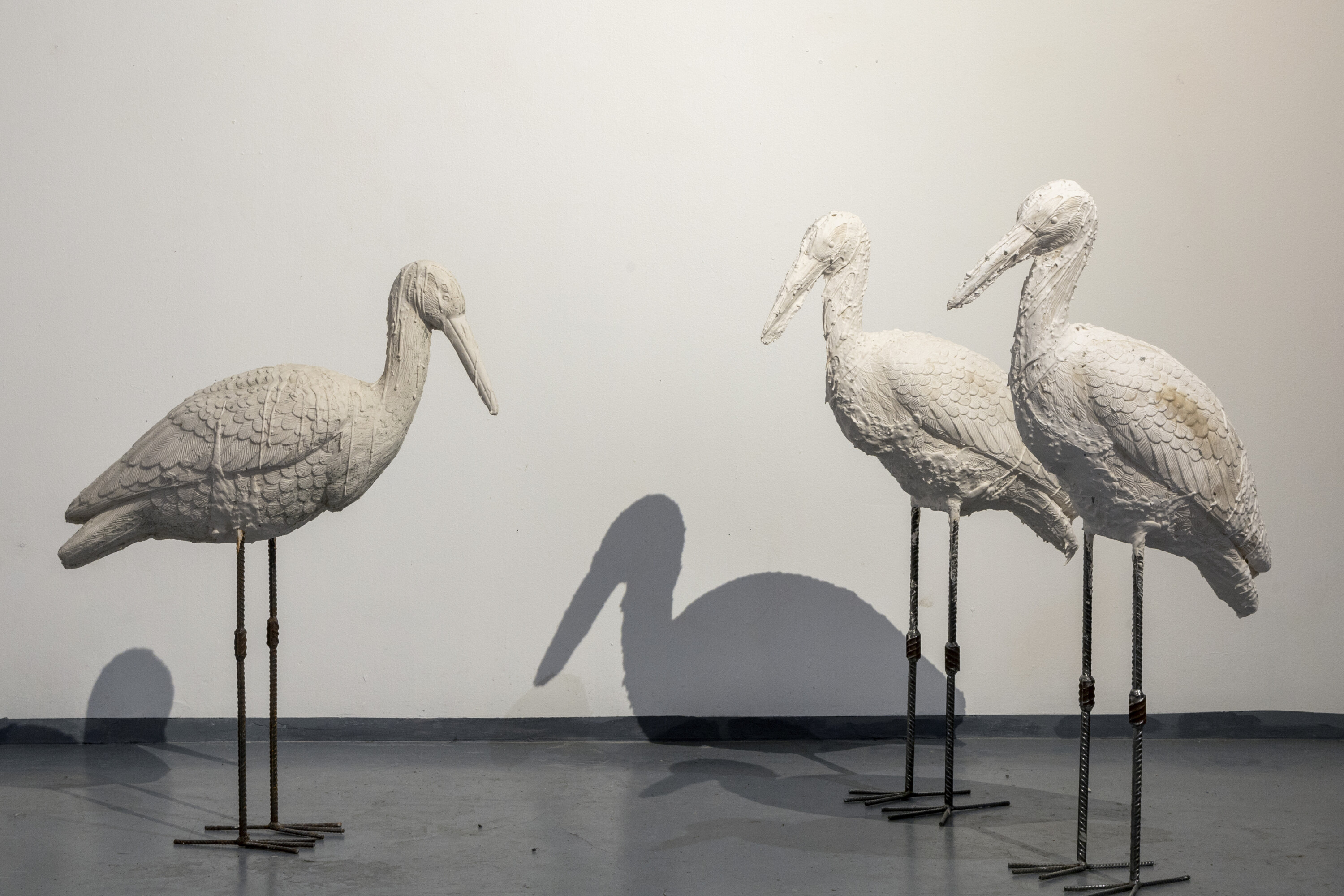
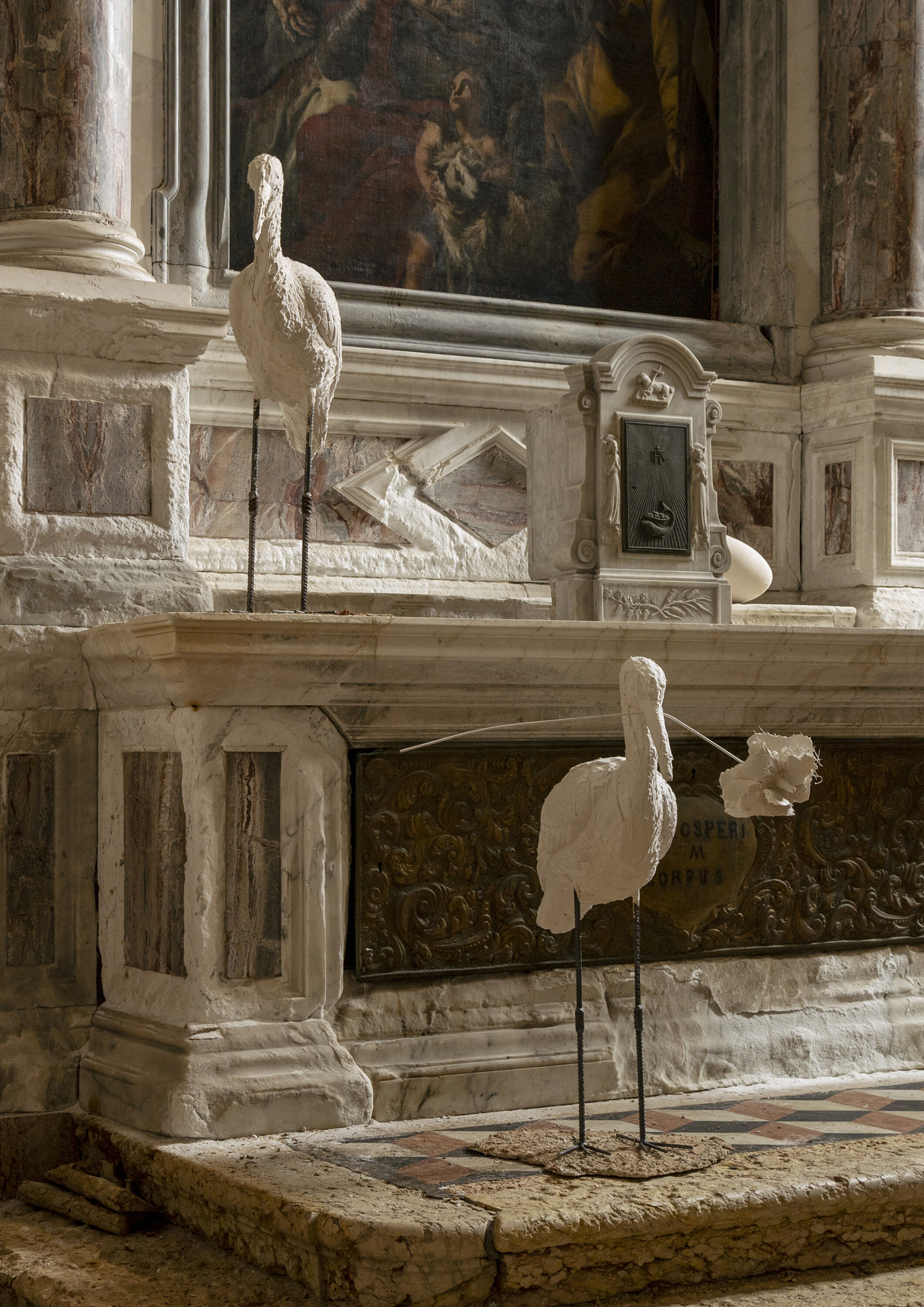
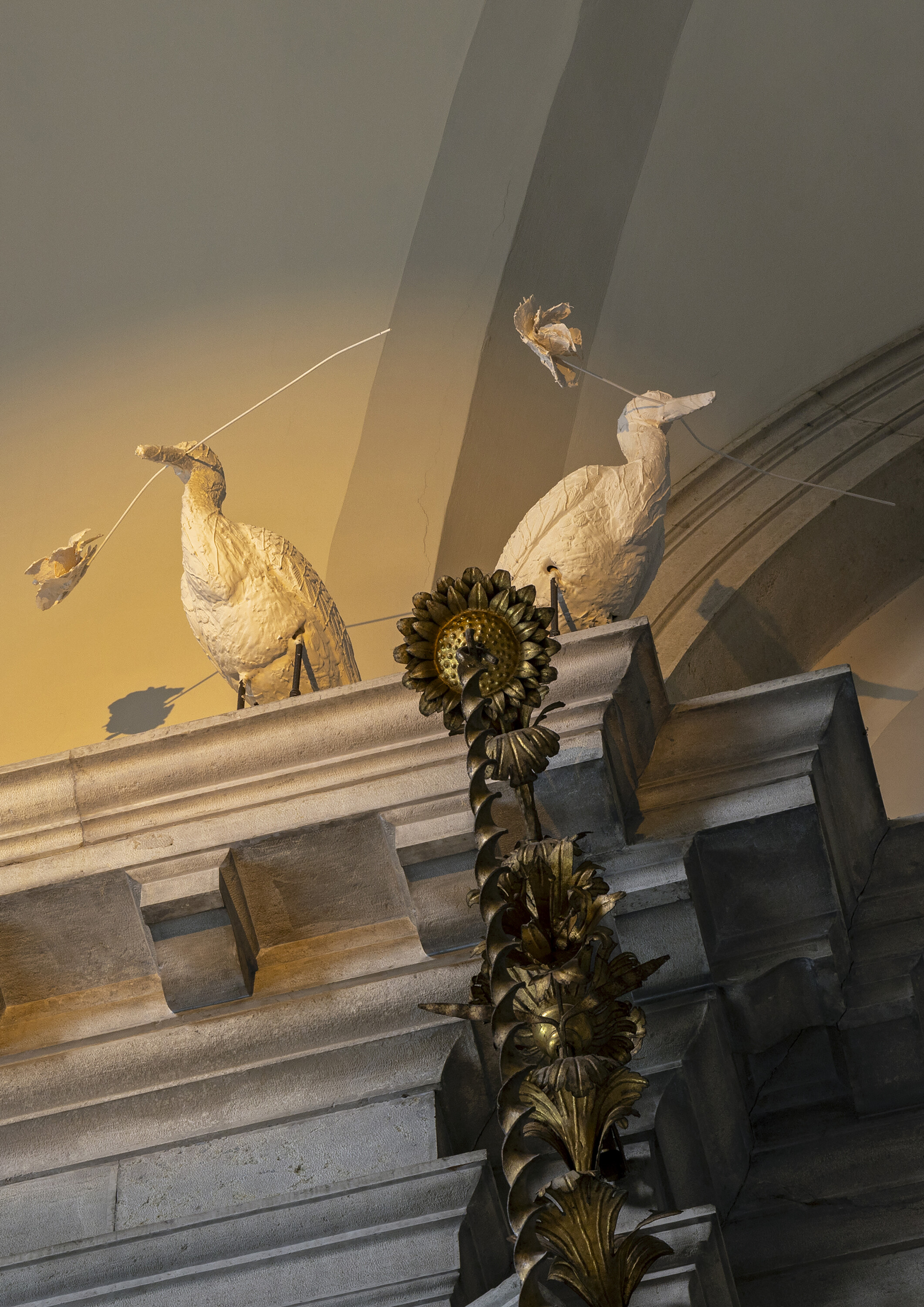
'The Storks are Leaving'
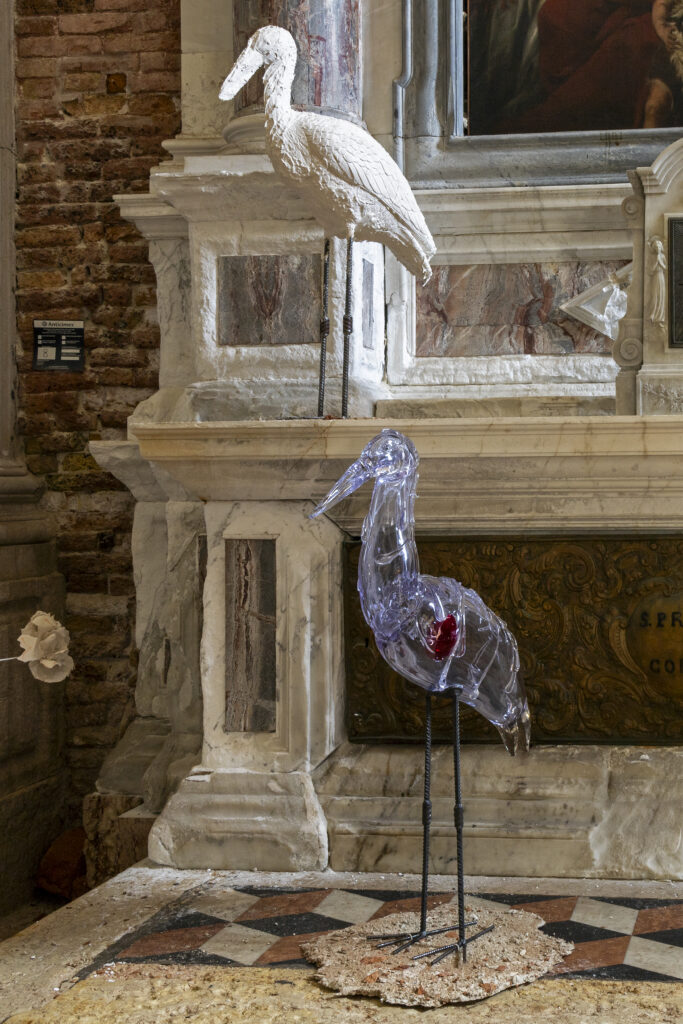
blown murano glass, metal 100×50×30cm 2024

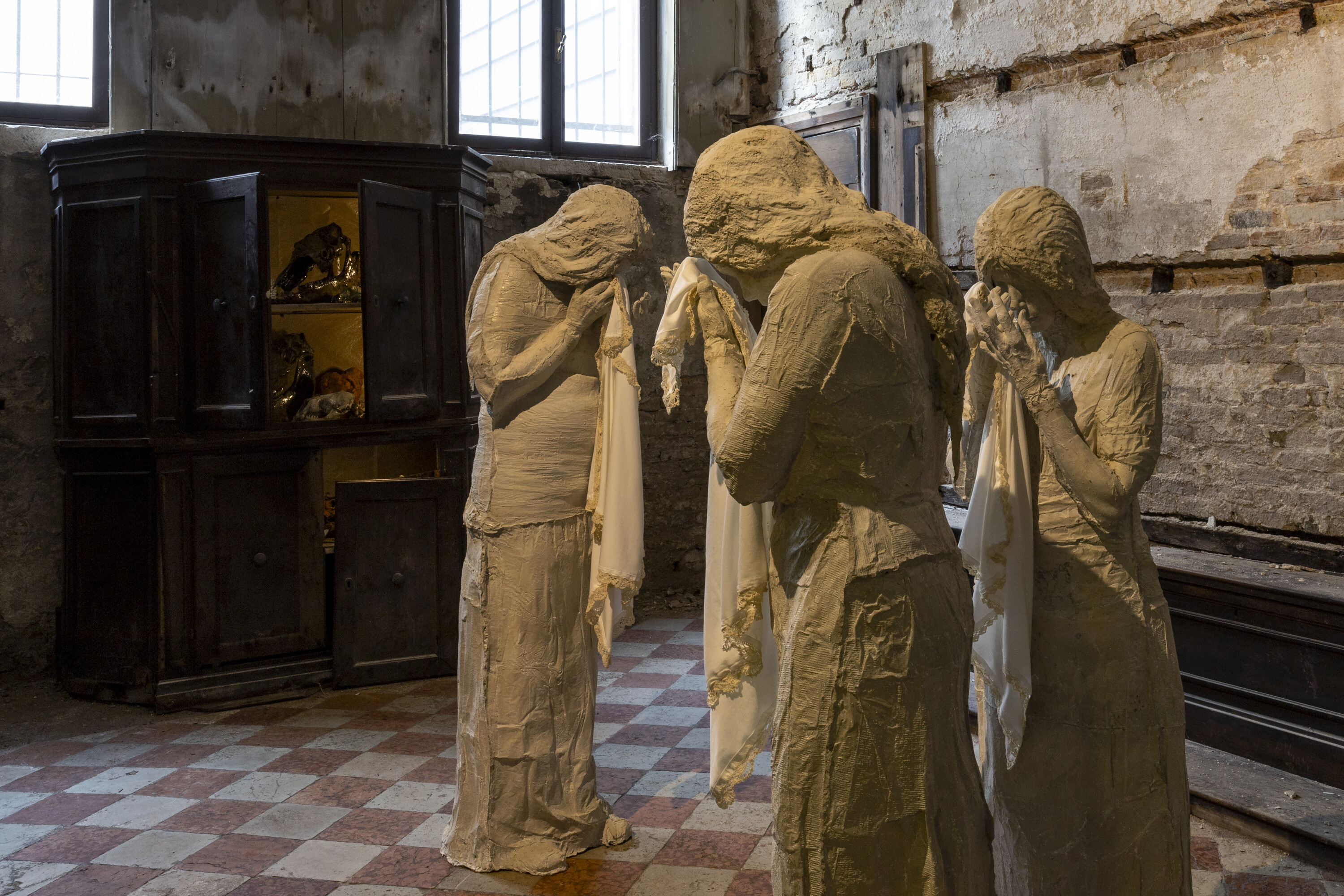
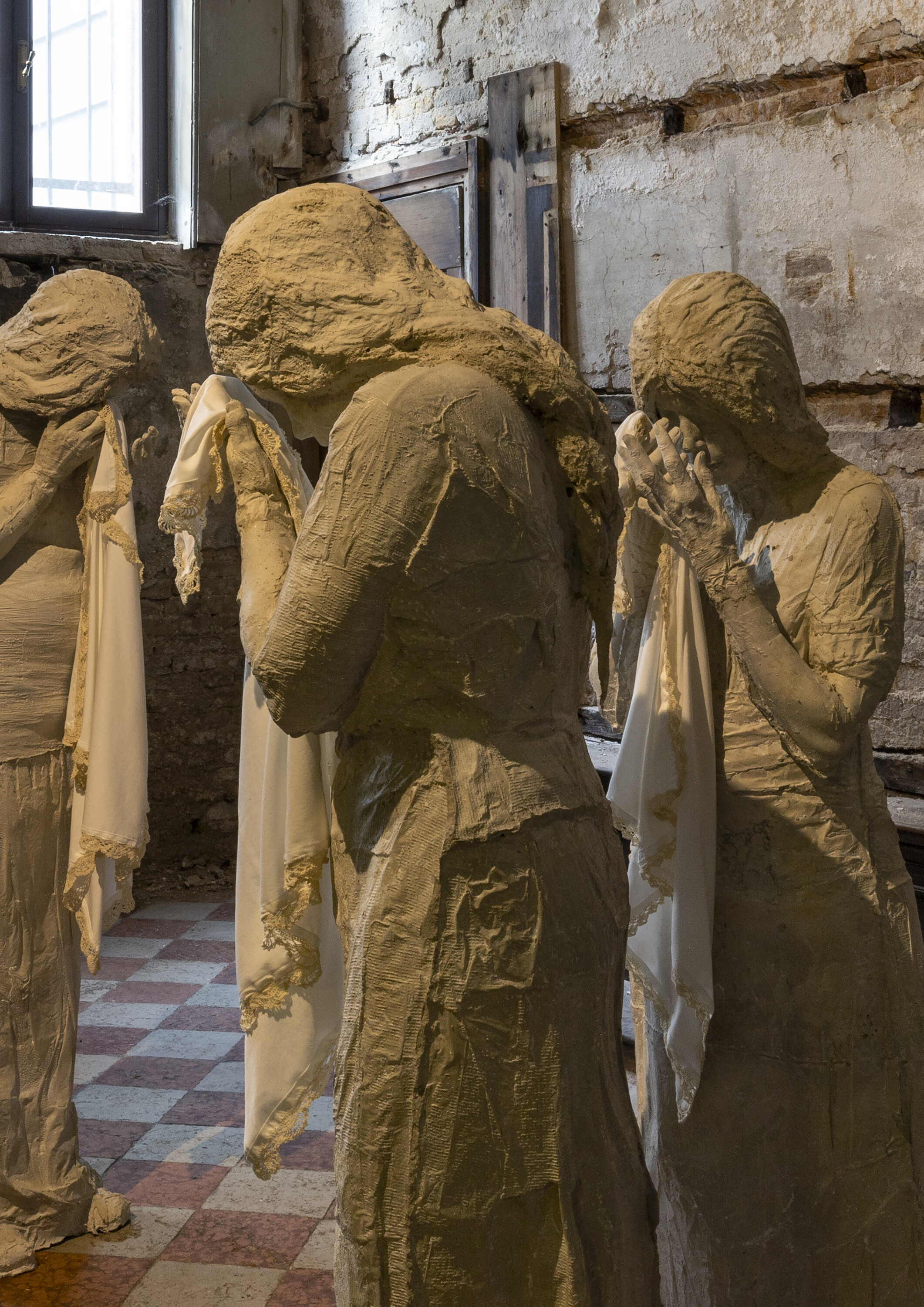
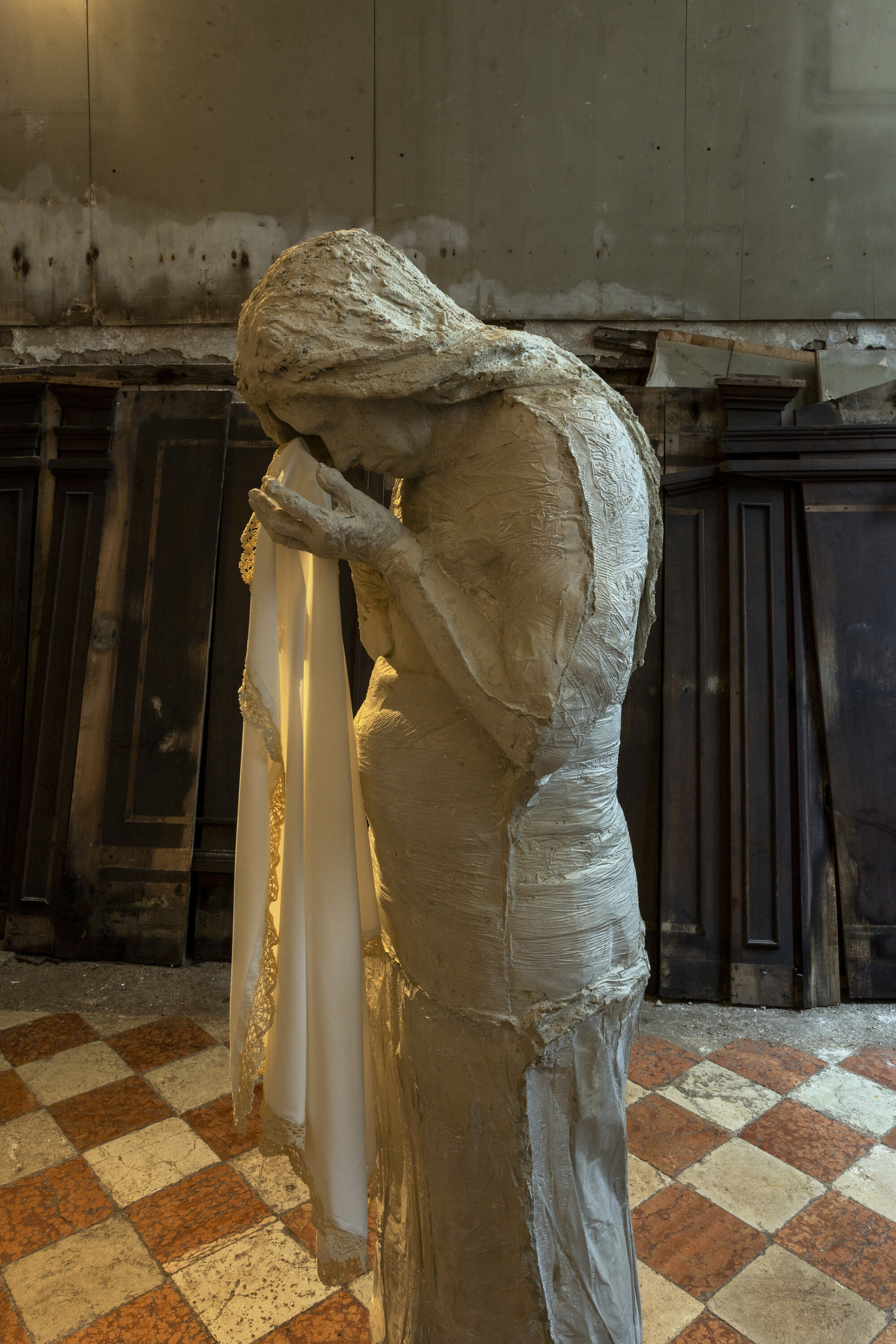
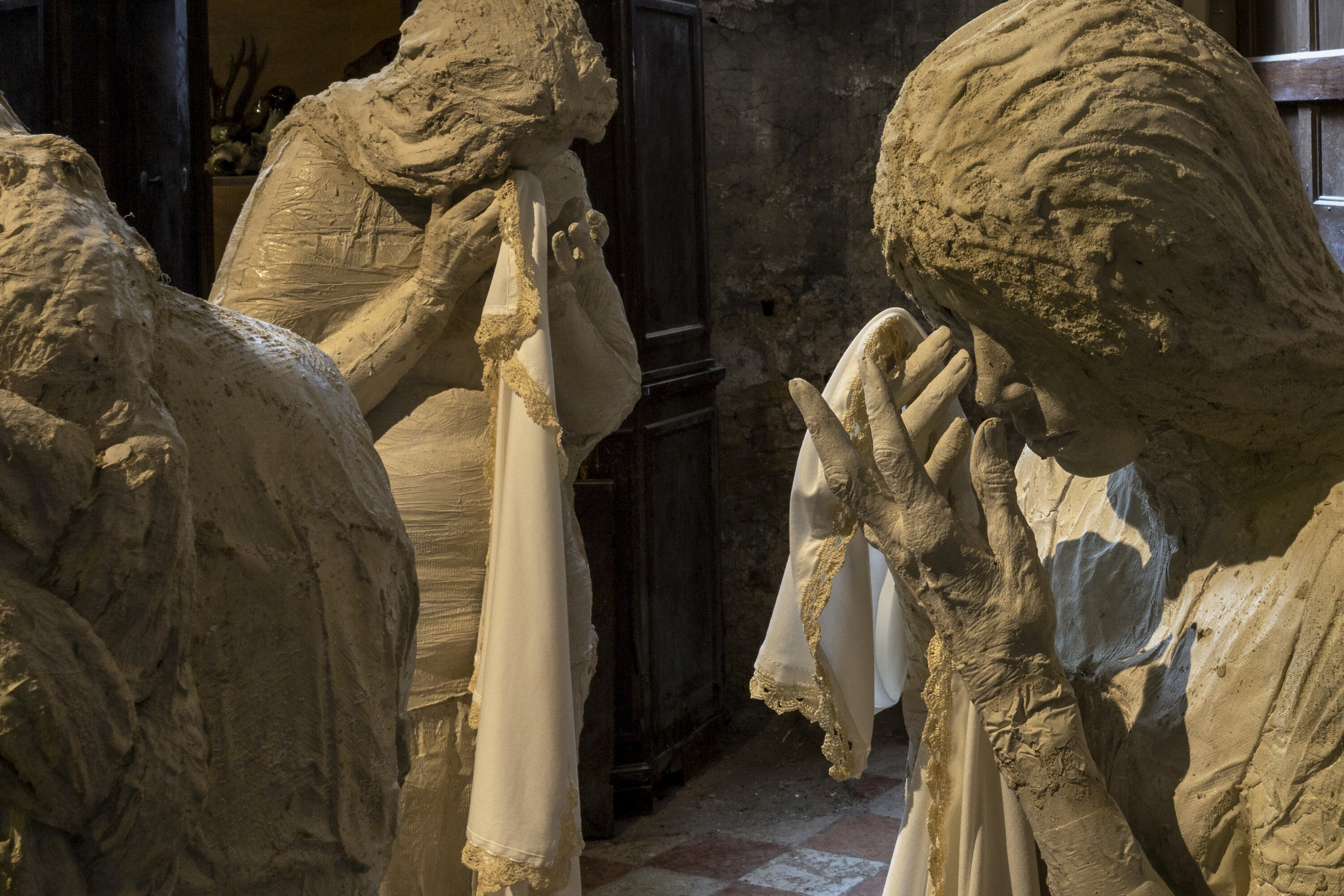
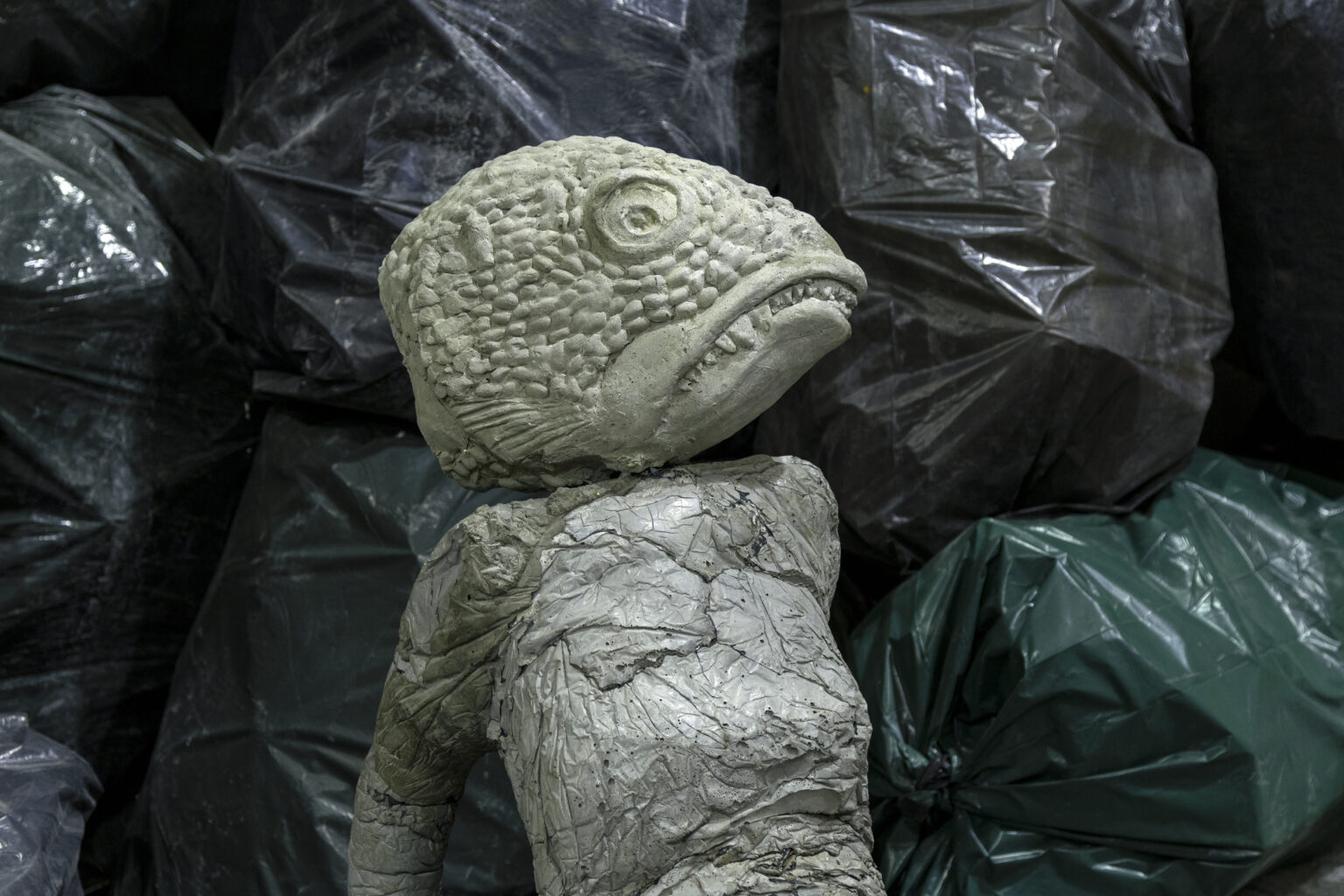
'Hora Lupi /female figures/'
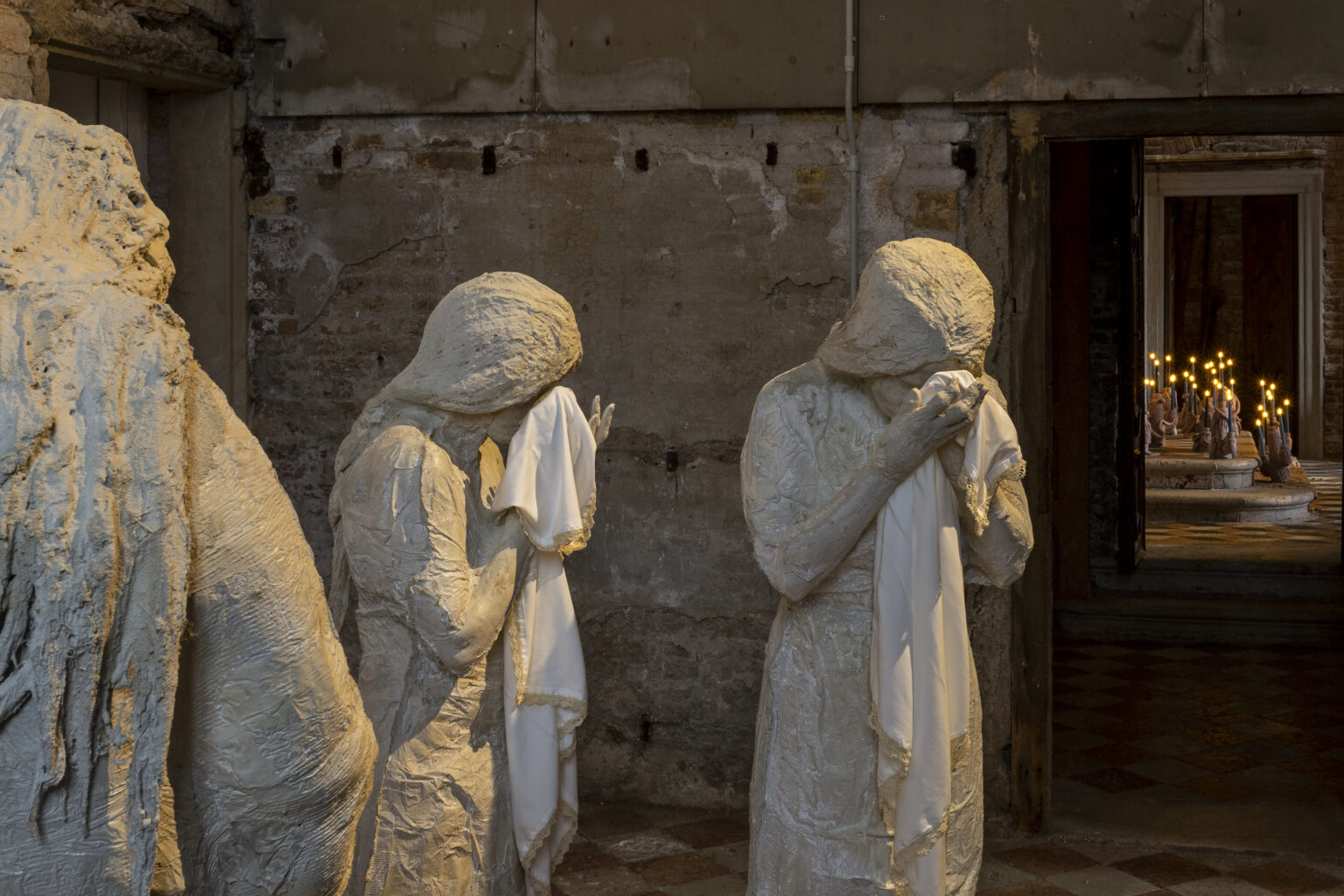
mineral-based acrylic composite. Size for every figure: 165×50×60cm 2024

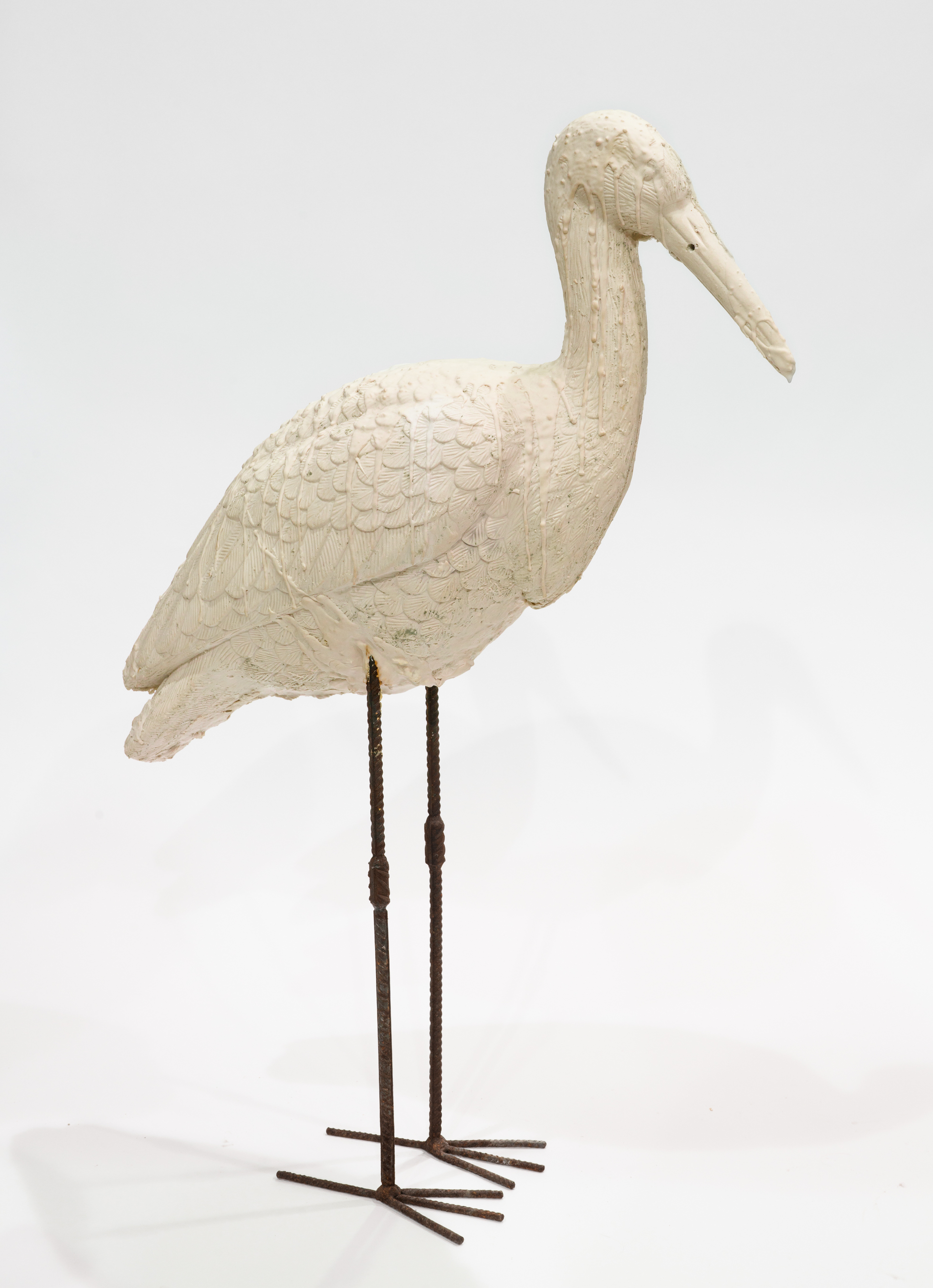
'The Storks are Leaving'
jesmonite, iron 87×75×32cm 2024

'Hora Lupi III - terracotta series'
jesmonite, oakwood 66×52×8cm 2024
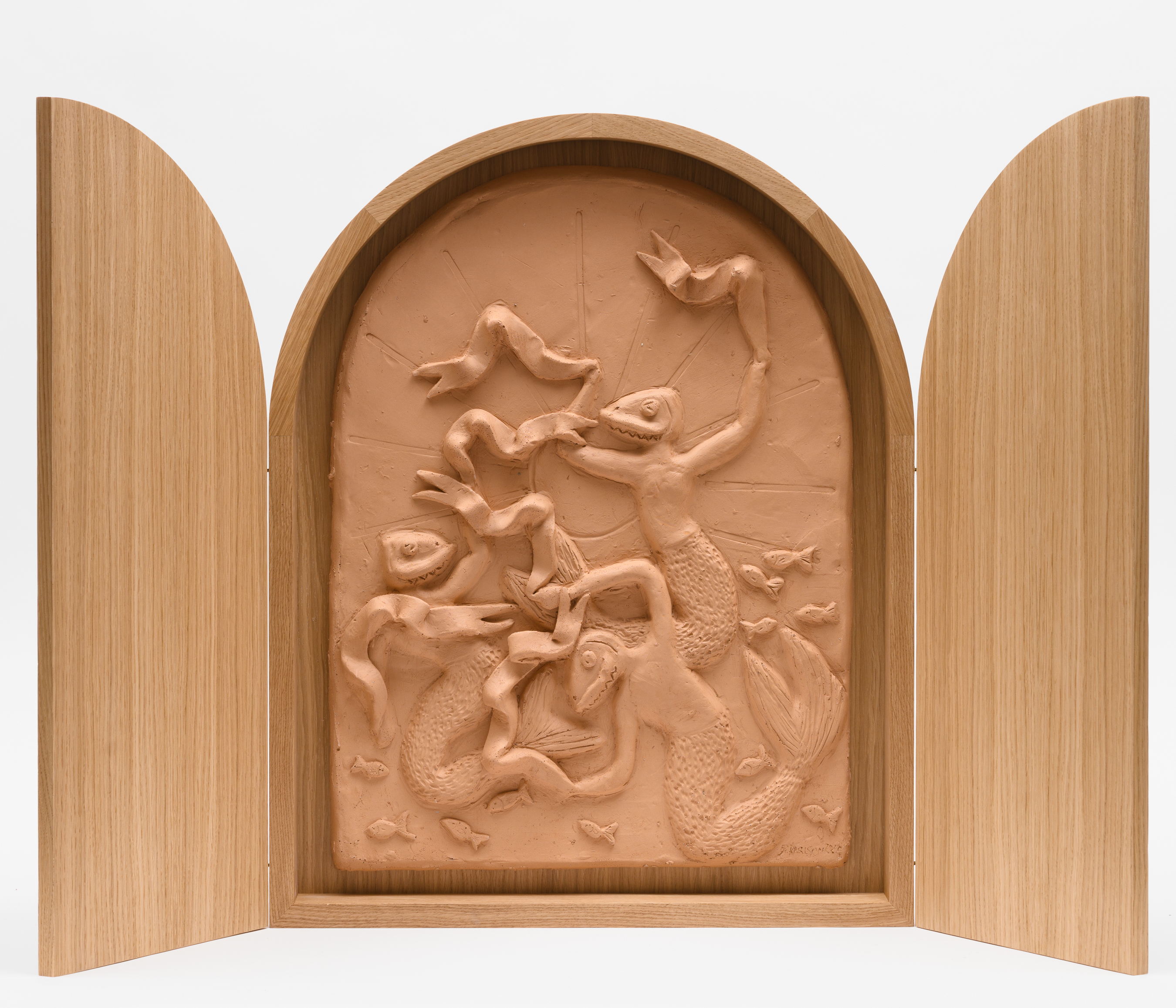
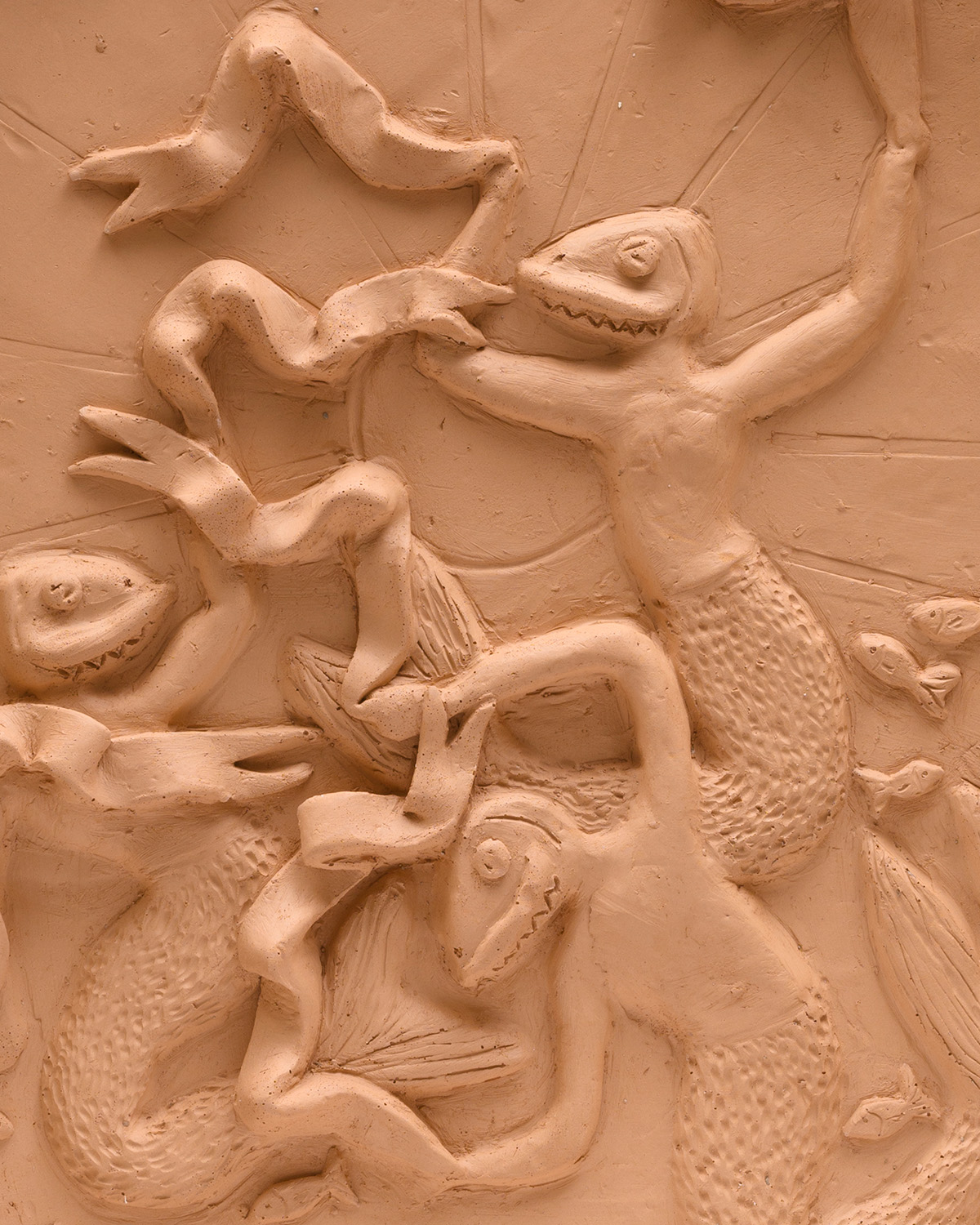

'Hora Lupi II - terracotta series'
jesmonite, oakwood 66×52×8cm 2024
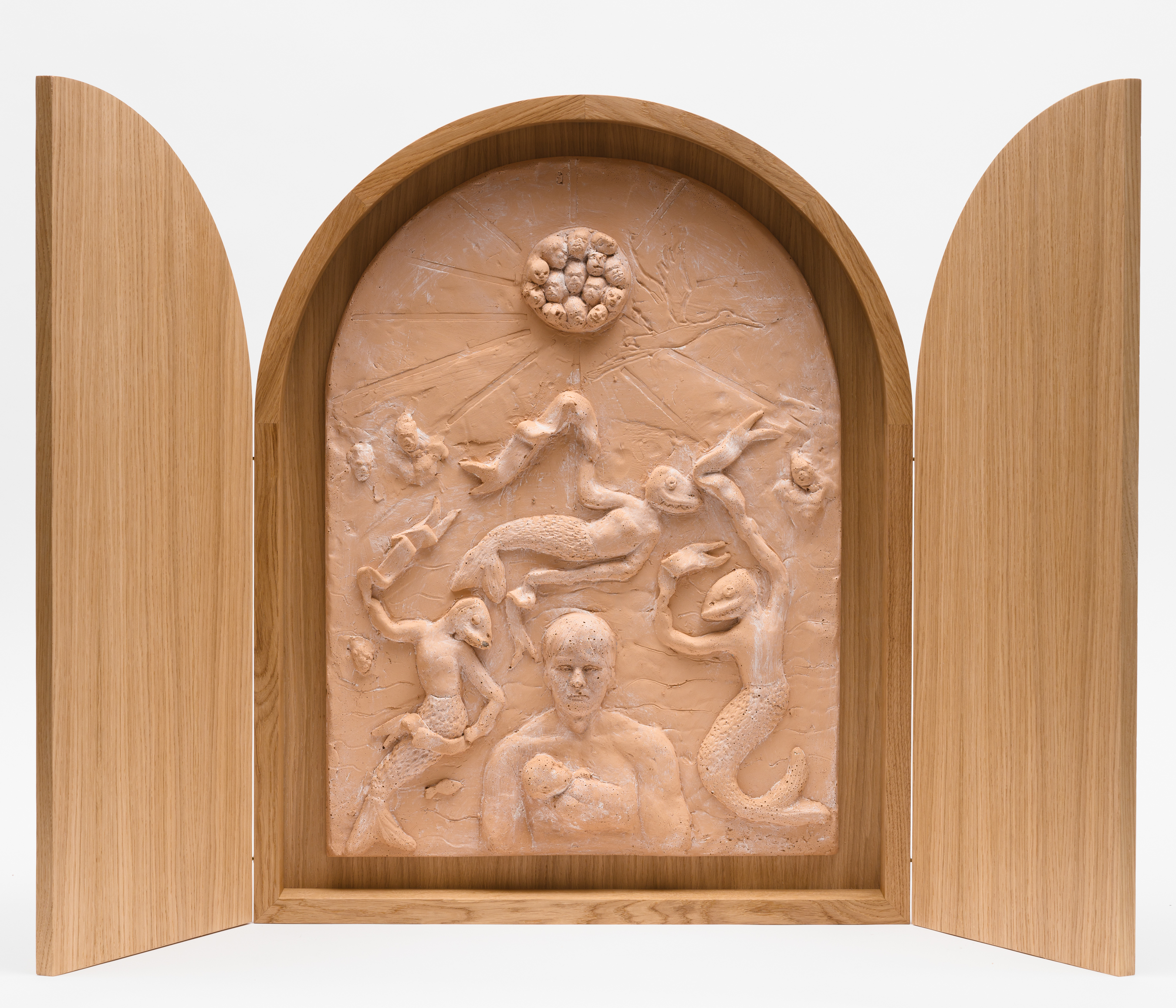
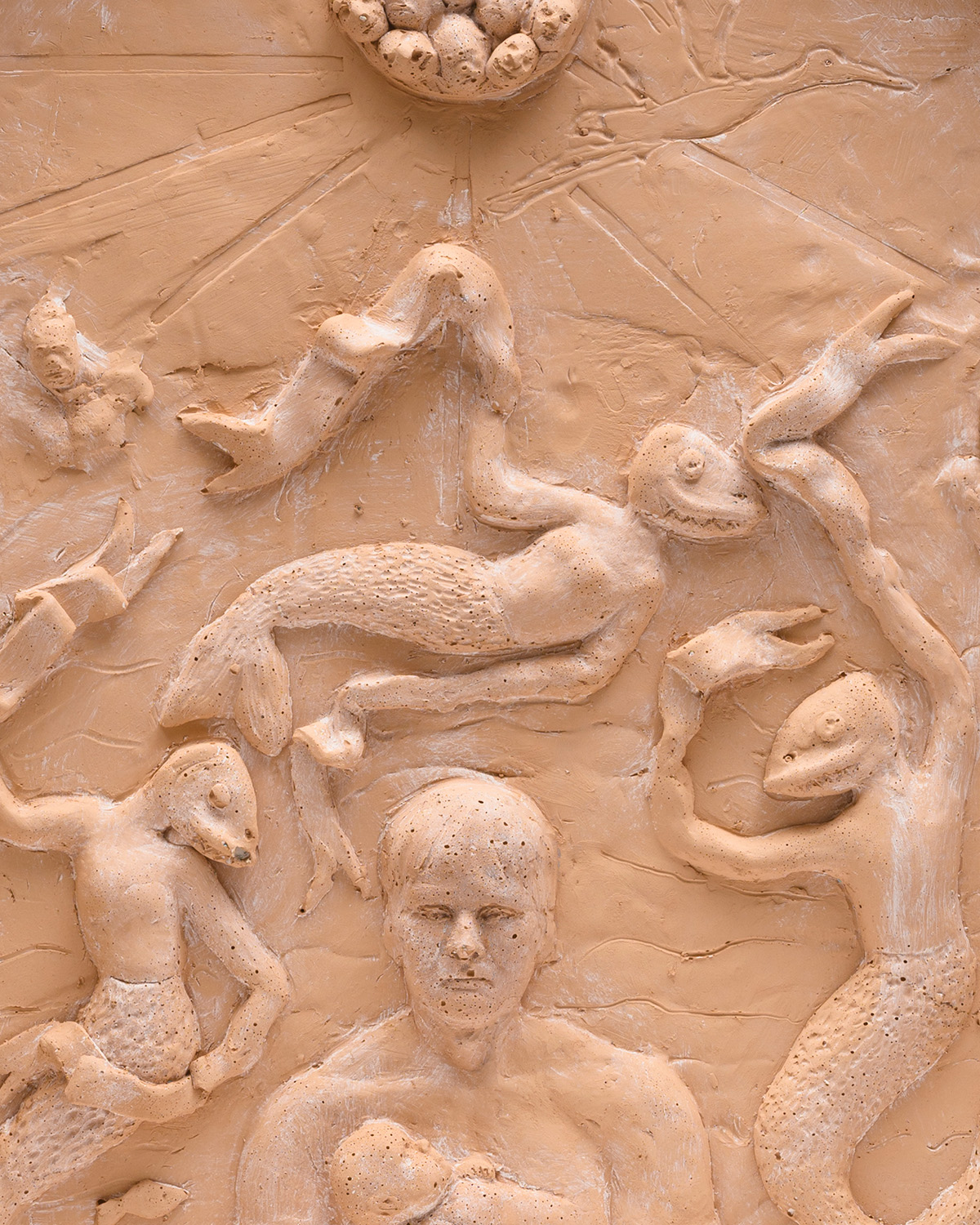

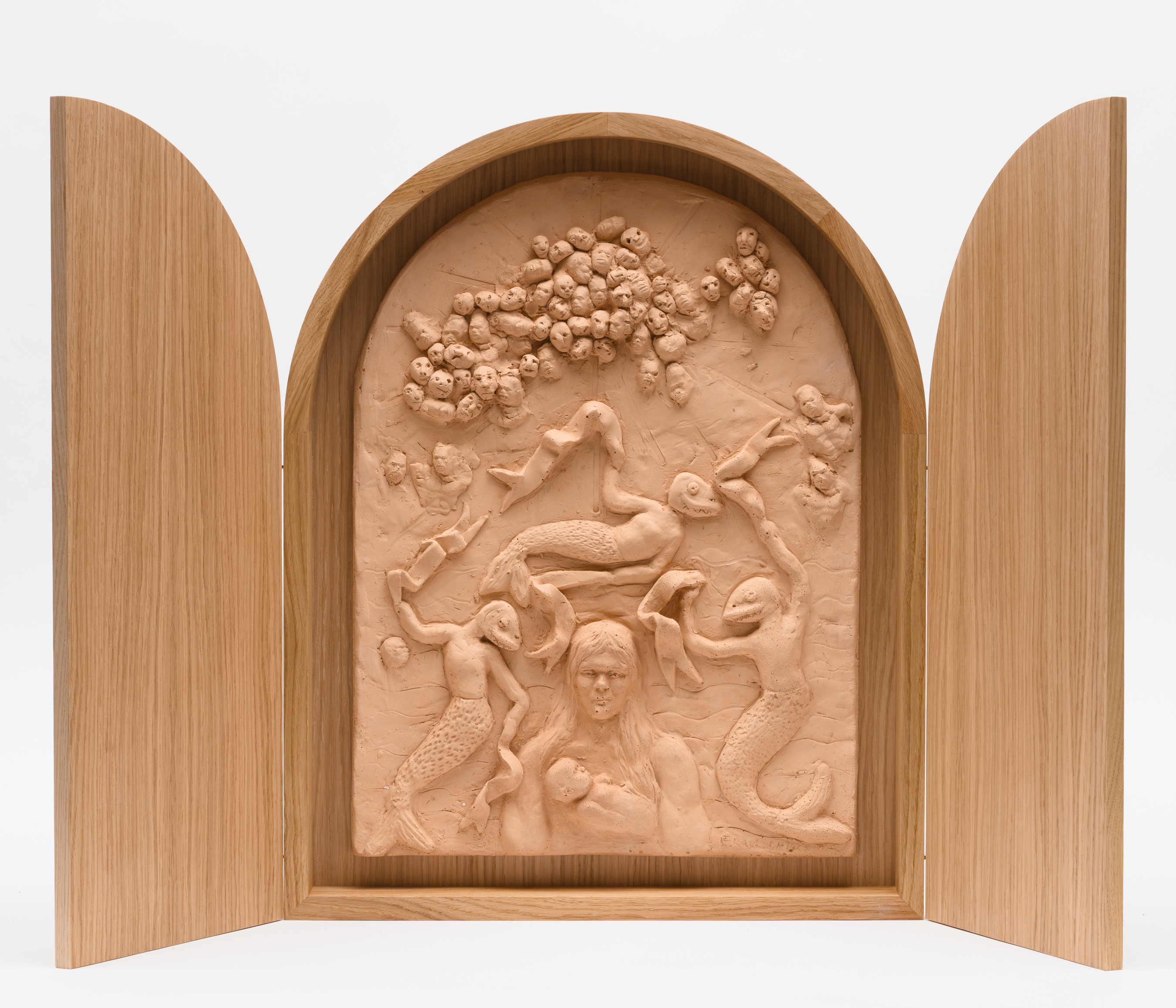
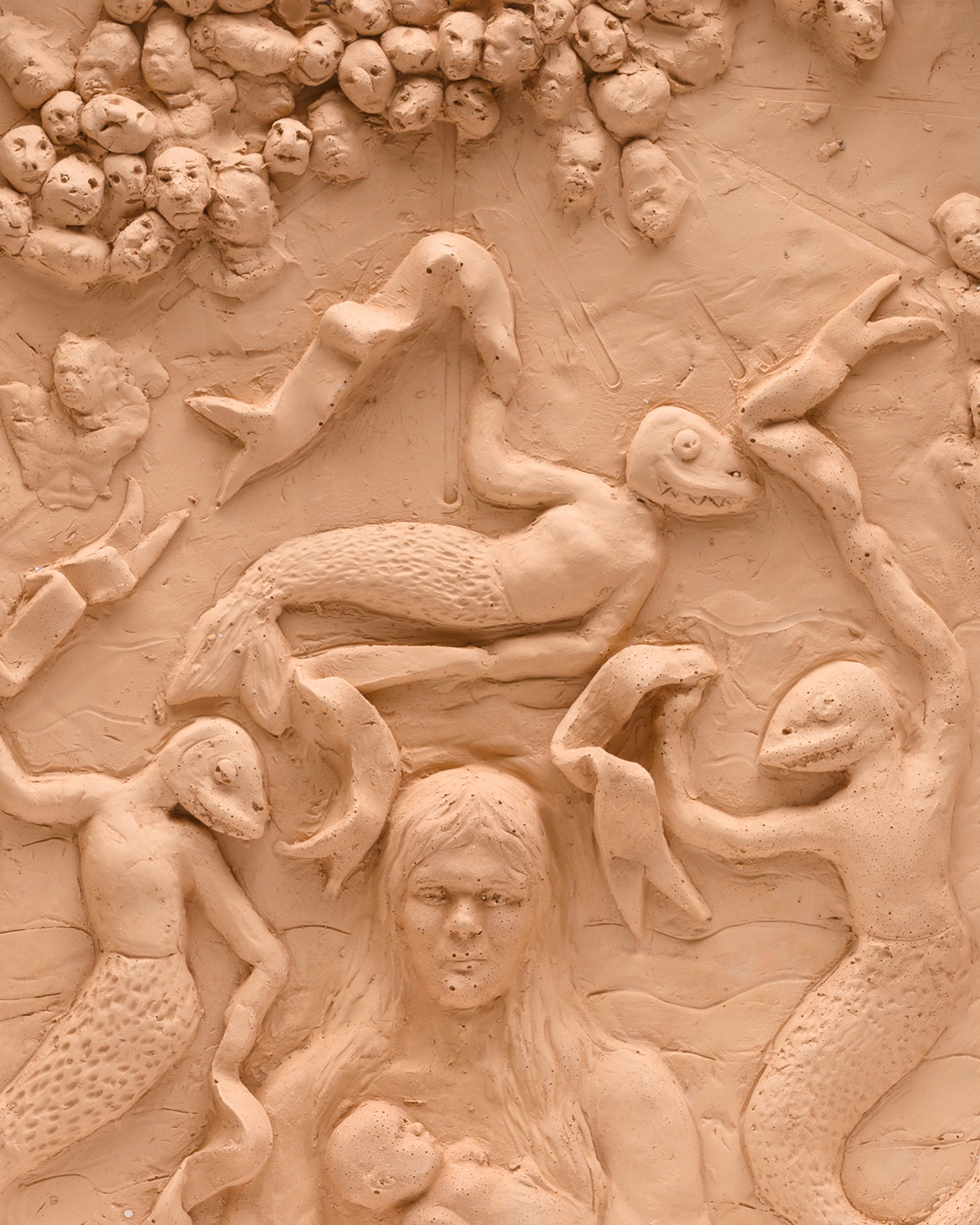
'Hora Lupi I - terracotta series'
jesmonite, oakwood 66×52×8cm 2024
installation views
View: ,
Edith Karlson exhibits Hora lupi for the Estonian Pavilion at the 60th International Art Exhibition – La Biennale di Venezia from 20 April until 24 November 2024. Presented at the church of Chiesa di Santa Maria delle Penitenti, the exhibition explores primitive human urges in their banality and solemnity and questions the possibility of redemption in a world that is never worthy of it. The exhibition is created in collaboration with dramaturge Eero Epner.
Located in Cannaregio overlooking the district’s canal, the arresting interior of the church, which dates back to the 18th century, helps to build the emotional atmosphere of the exhibition. Here, everything is left unchanged, even the dust of the centuries past remains. Karlson uses the abandoned space as a metaphor for being human, equally sad, and incomplete. Full of cracks and fissures, through which eventually, perhaps, a redeeming light will shine. The exhibition spaces are filled with clay and concrete sculptures that evoke the inevitable misfortune of being born, and the always-endeavouring nature of being human.
The title of the exhibition Hora lupi (hour of the wolf) refers to a mythical time before dawn, when things arise and disappear – an hour of deep darkness but also of transformation. It is believed to be the time of night, when the most people are born and die. The exhibition centres around a vast series of hand-crafted clay self-portraits created by people who surround the artist: children and elderly people, state officials and common workers – a gallery of contemporary faces that will someday become their memorial. The sculptures are inspired by the 14th century terracotta sculptures in St. John’s Church in Tartu, Estonia, most likely depicting townspeople of the time. It has been suggested that the sculptures are a memorial ensemble commemorating the victims of the plague.
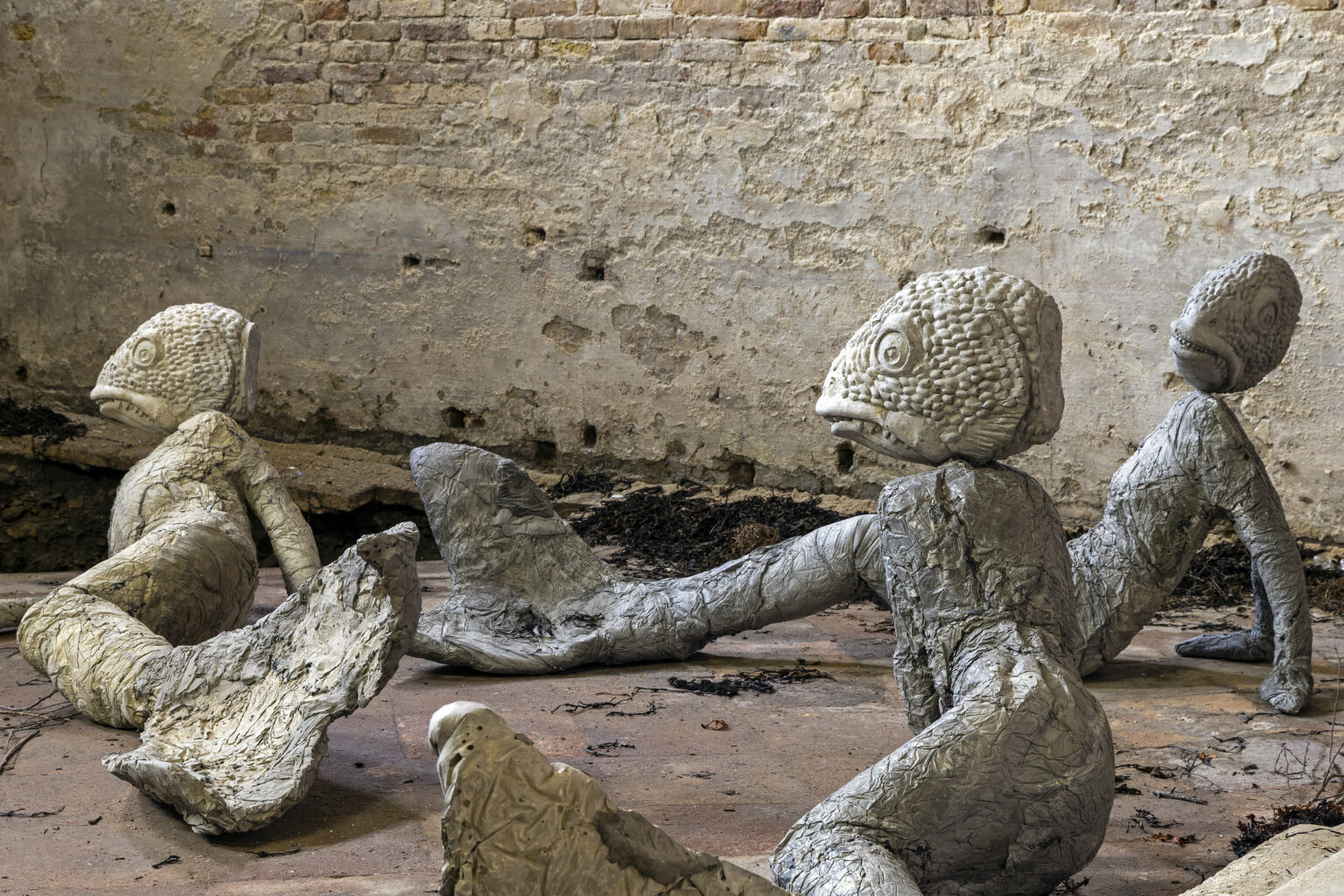
Sculptures by Karlson reside in the remaining rooms of the church, including the artist’s recognisable anthropomorphic figures inspired by folklore and mythology: as waves from passing vaporetti gently crash through a gaping hole in the collapsed floor, we see weremermaids perched on the verge of its opening.
For Hora lupi, Karlson presents an existential narrative of the animalistic nature of humans. Depicting that the sincerity and bluntness of instinct can sometimes take a brutal and violent form, but also poetic and at times a little absurd, gentle, and melancholy. So, by and large, the theme of the exhibition for the Estonian Pavilion at La Biennale Arte 2024 could be concluded as “our world today”.
The sound design of the exhibition is based on Henry Purcell’s The Cold Song (1691), performed by Edith Karlson, arrangement by Raul Saaremets.