
Jaanus Samma "The Idiot Club"
-
selected works
View: ,

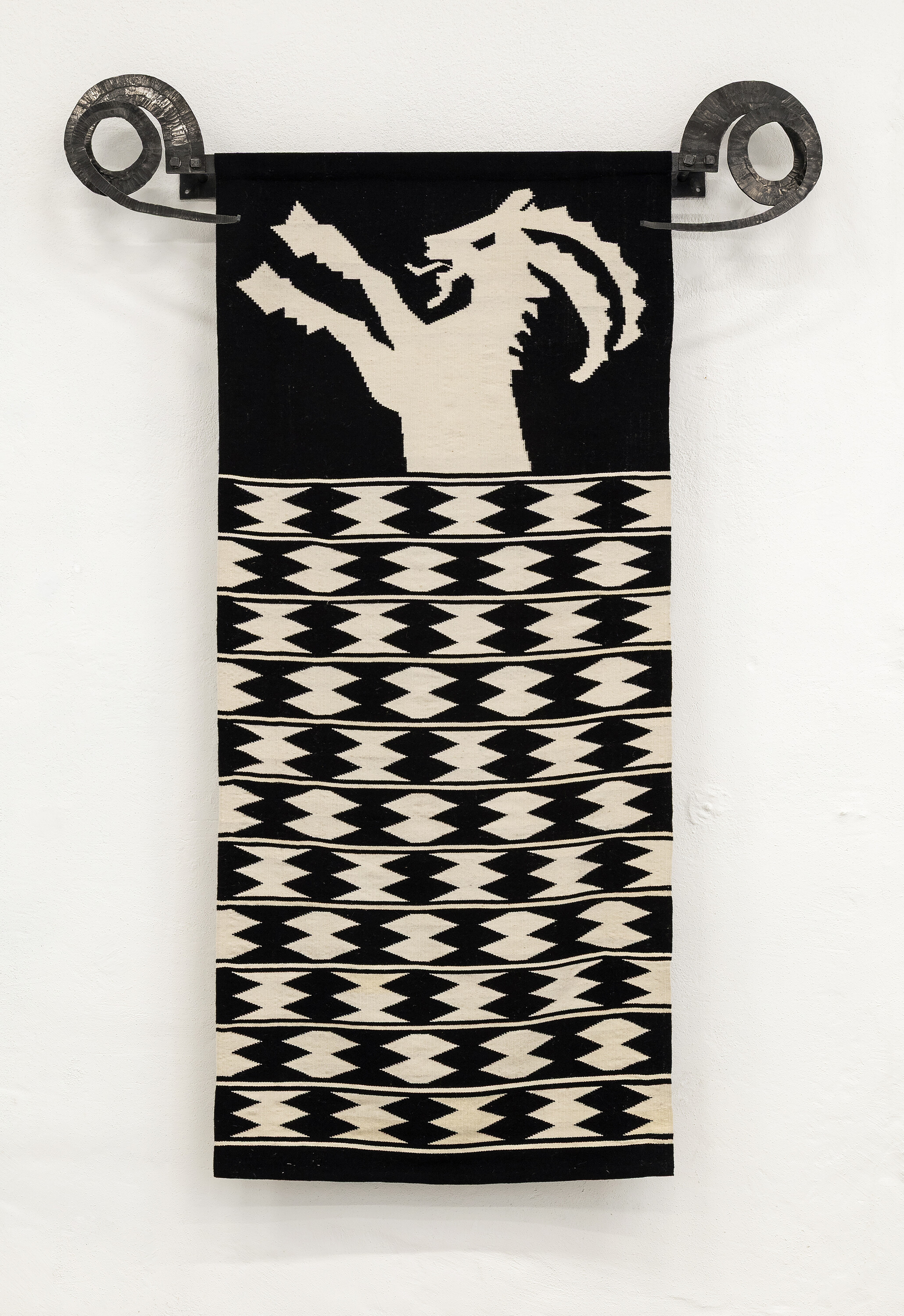
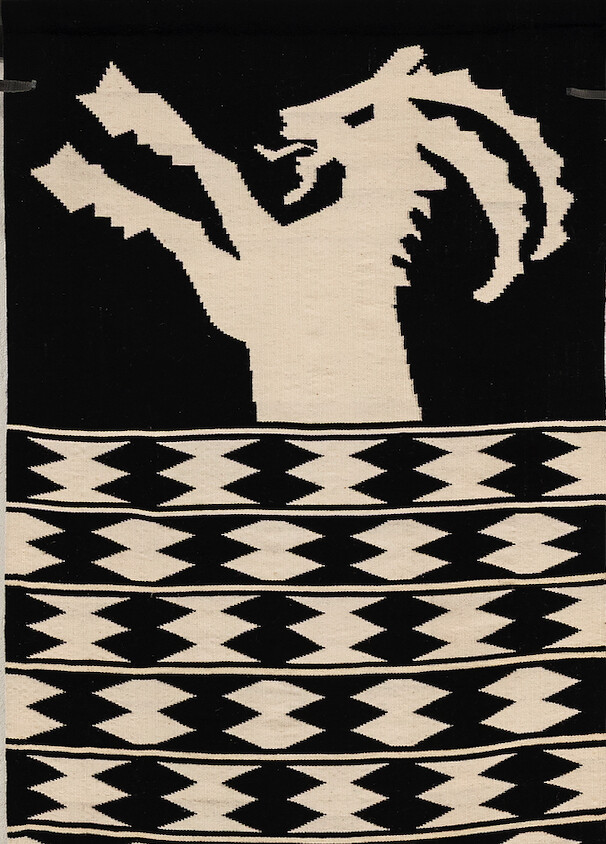
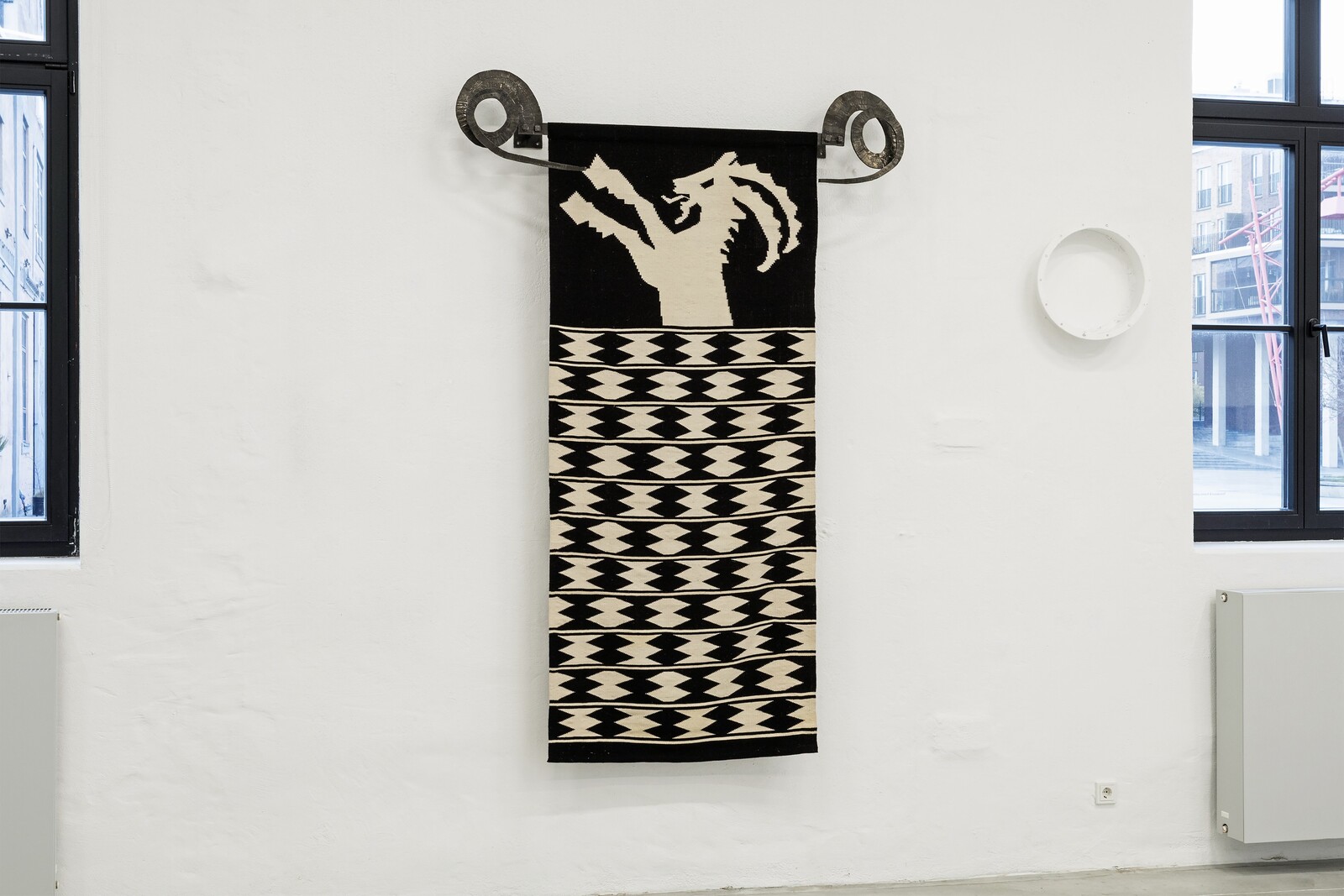
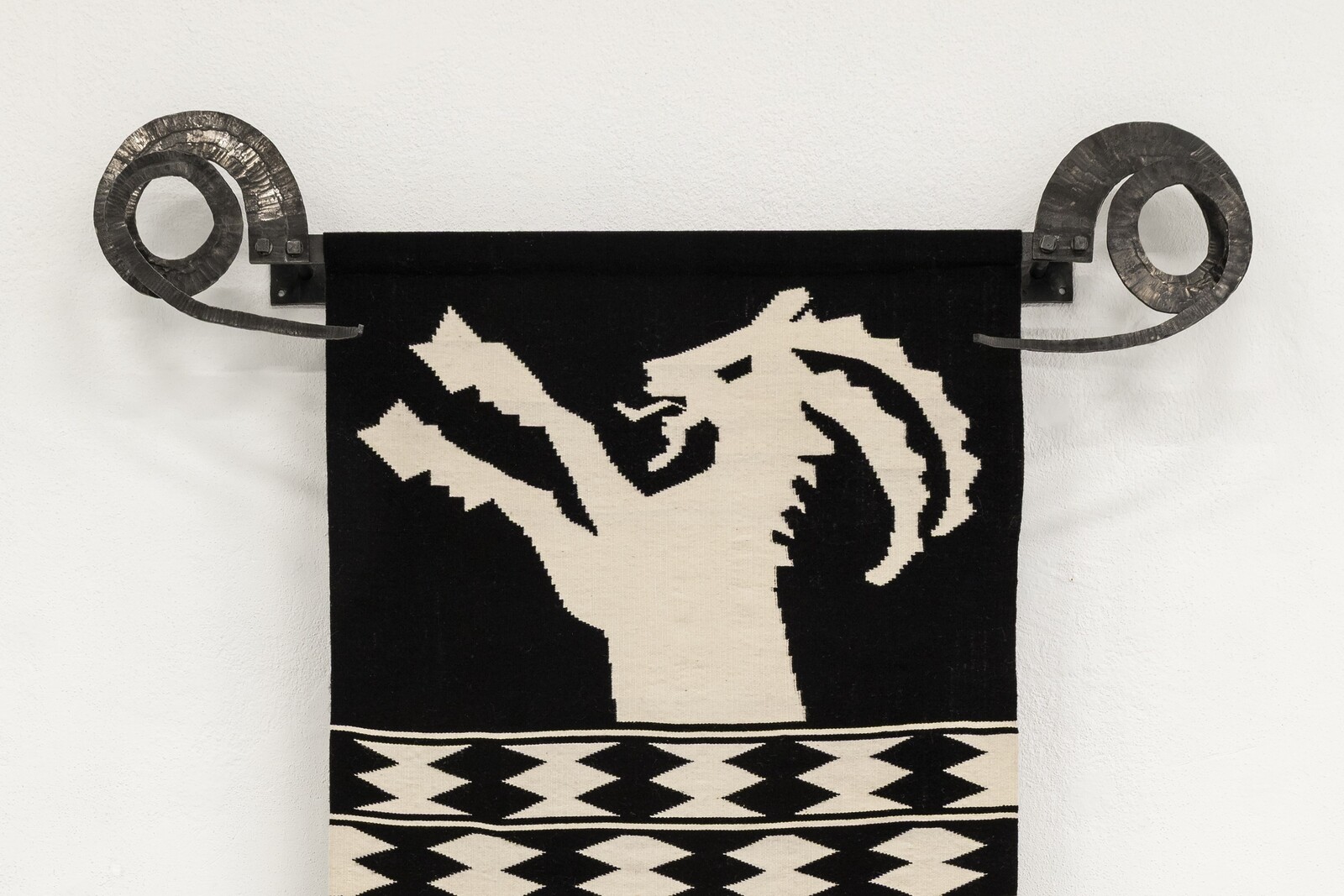
'Bock / Sokk'
wool, linen, iron 217×97cm 2026

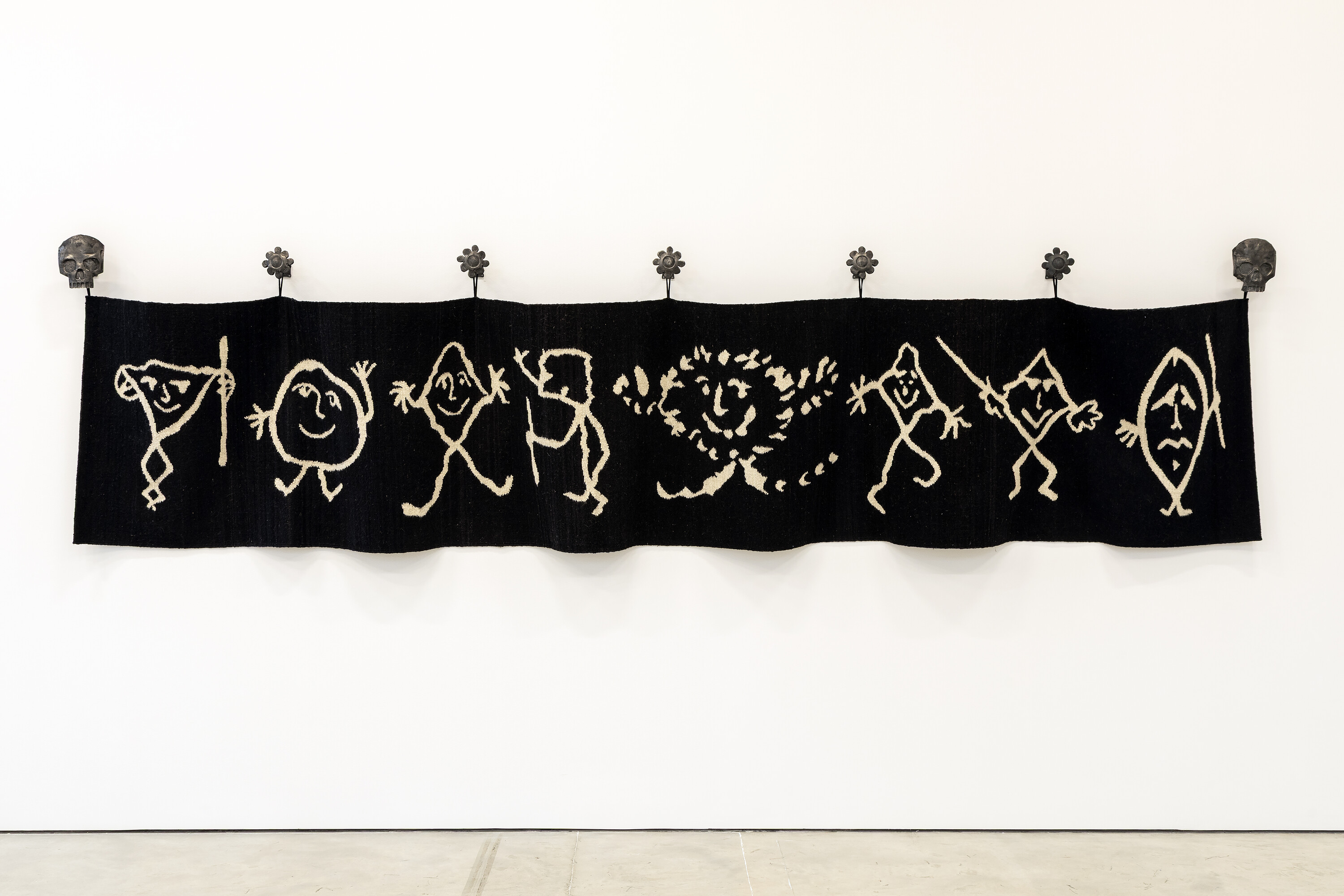
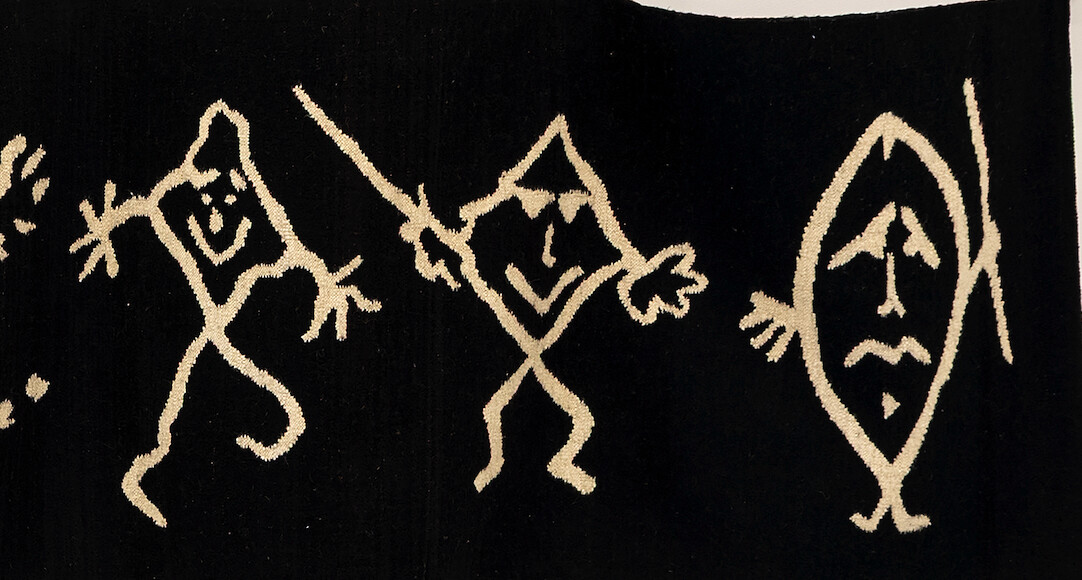
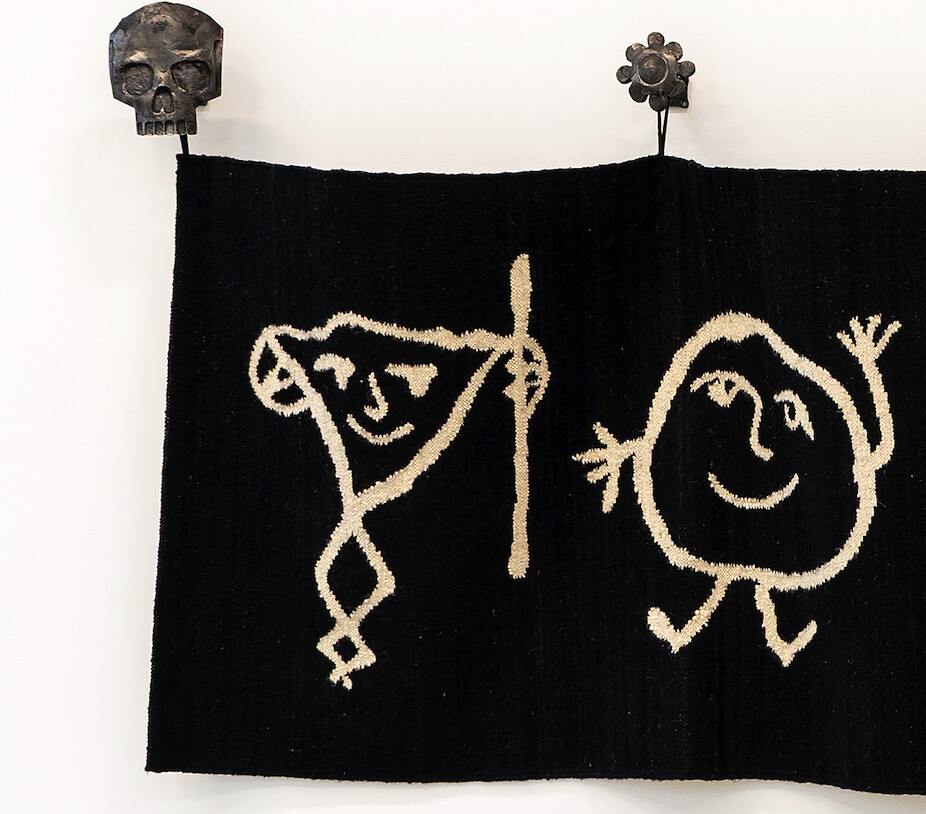
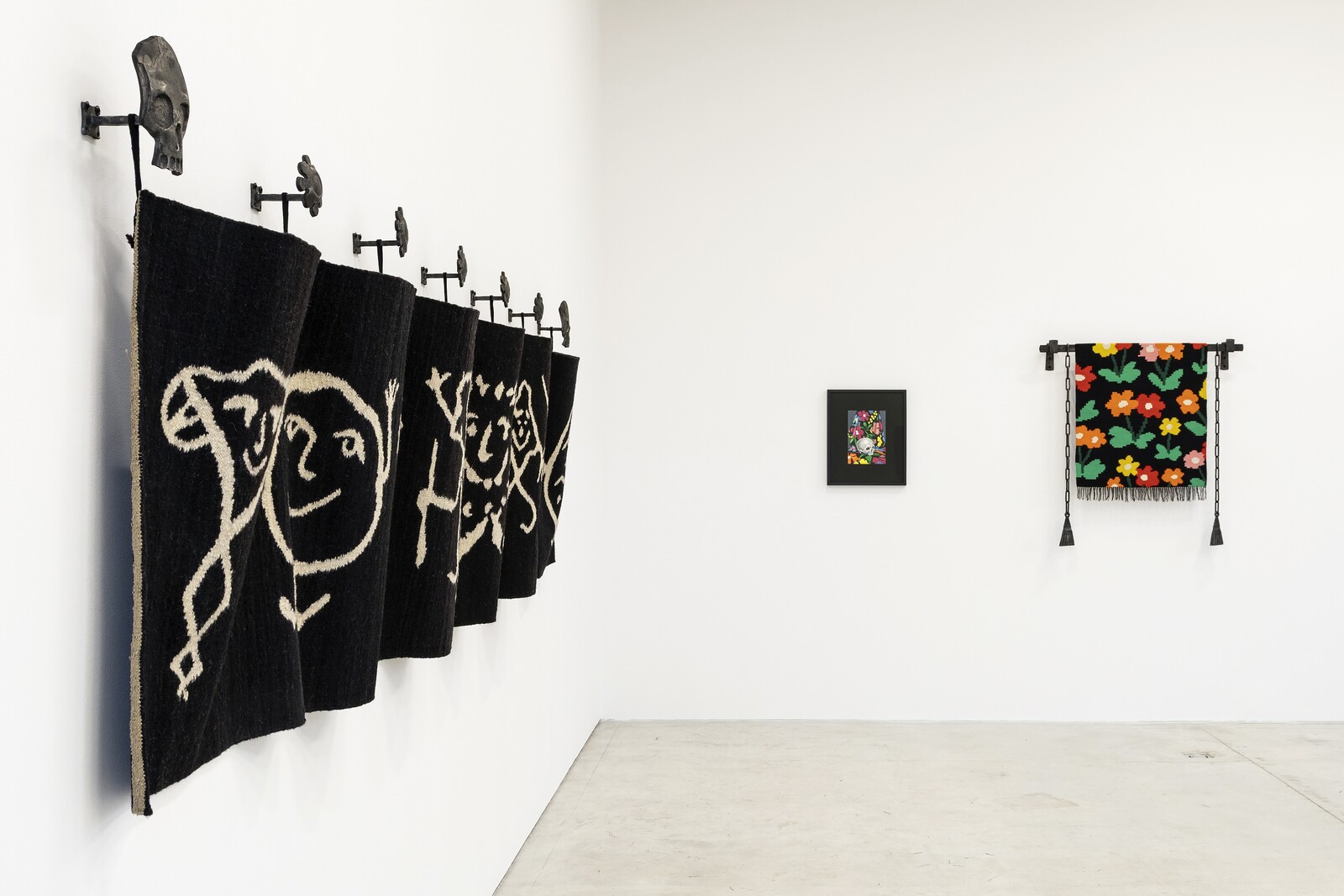
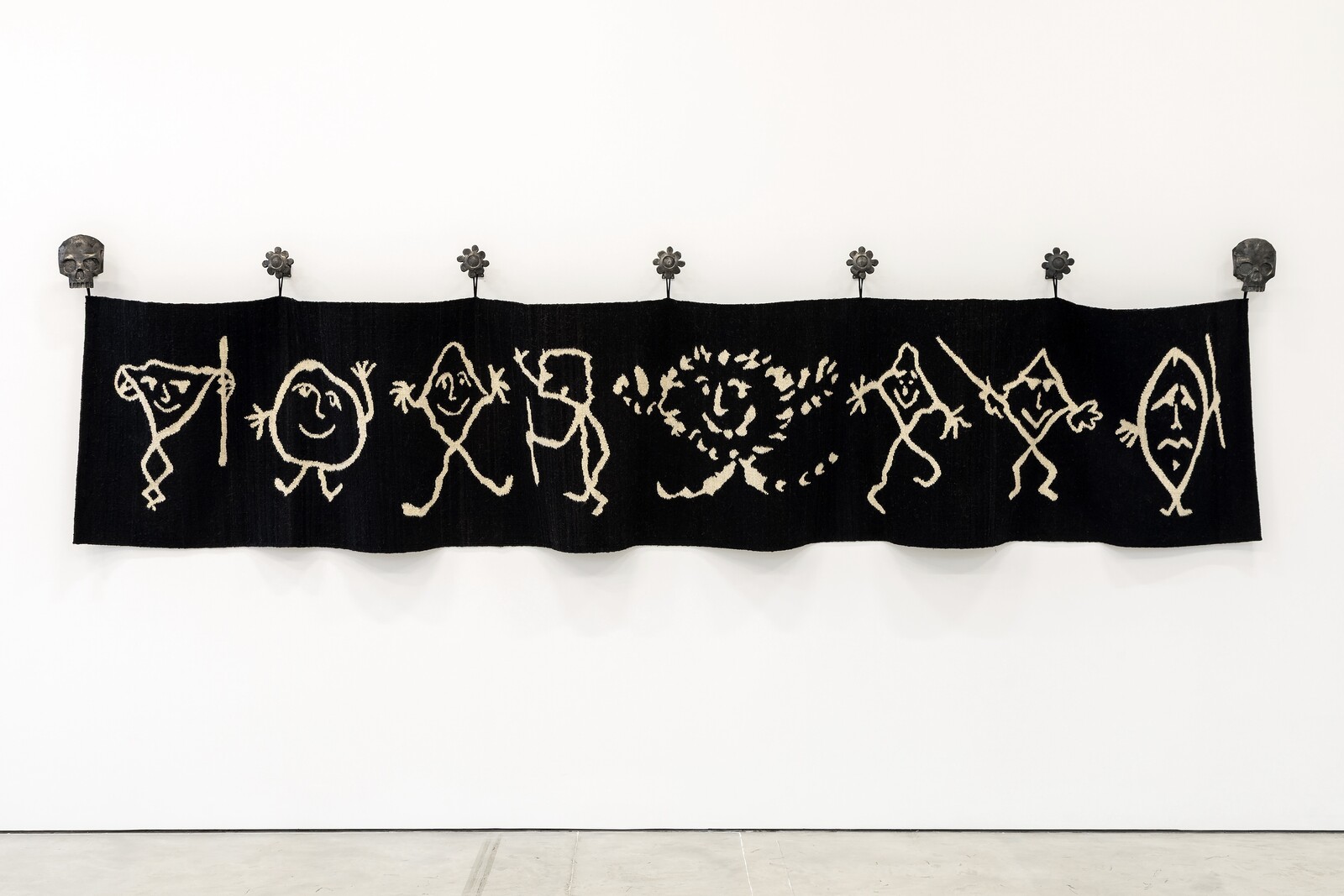
'The Idiot Club / Idiootide klubi'
wool, linen, iron 84×450cm 2026

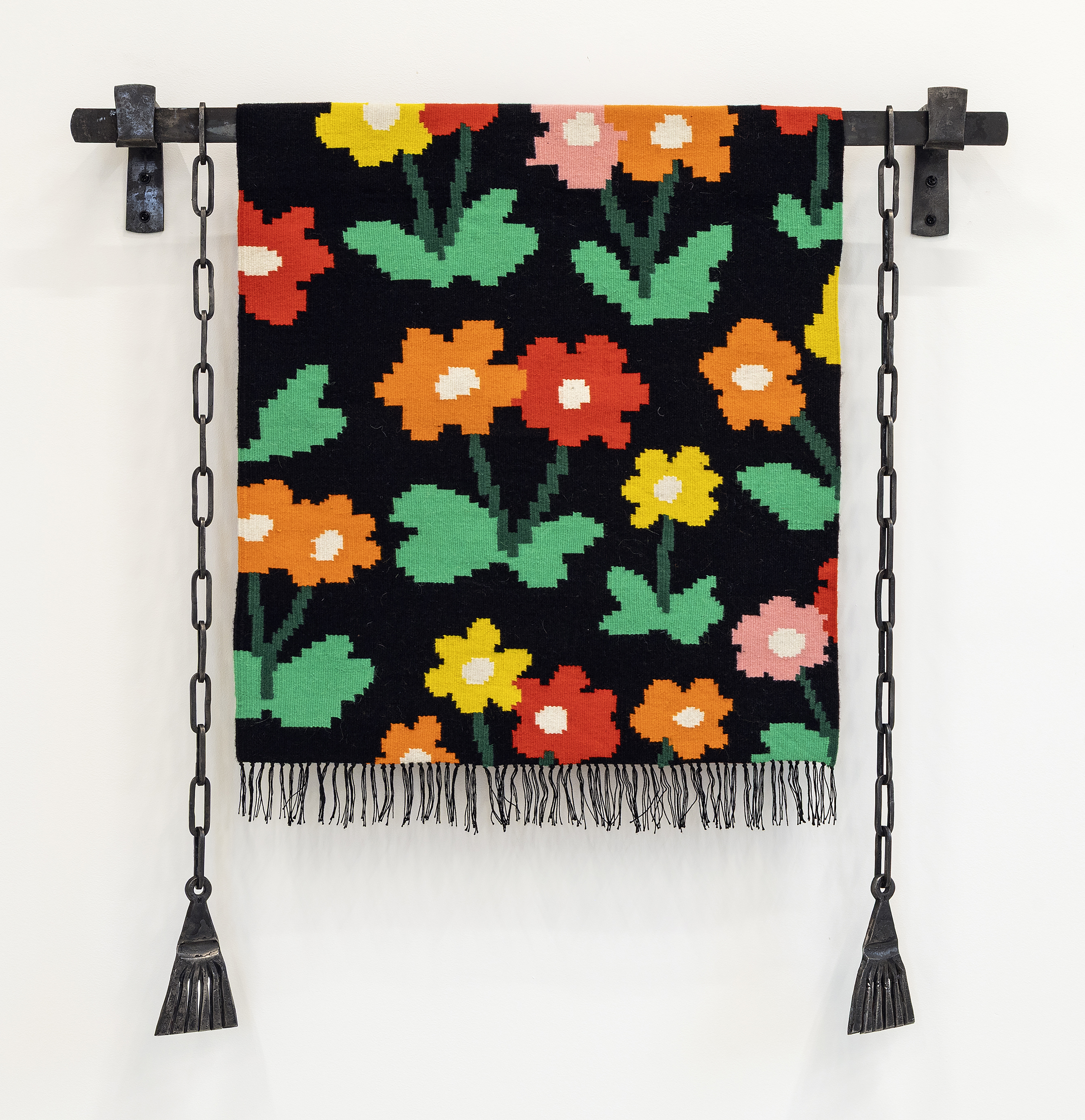
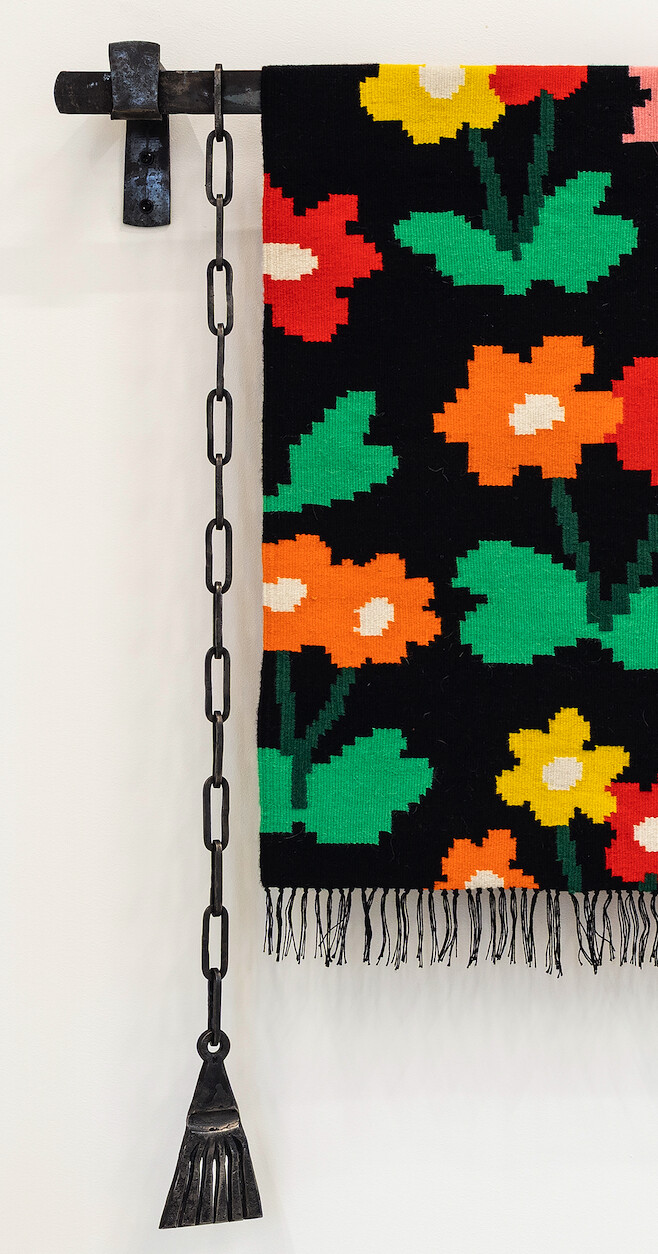
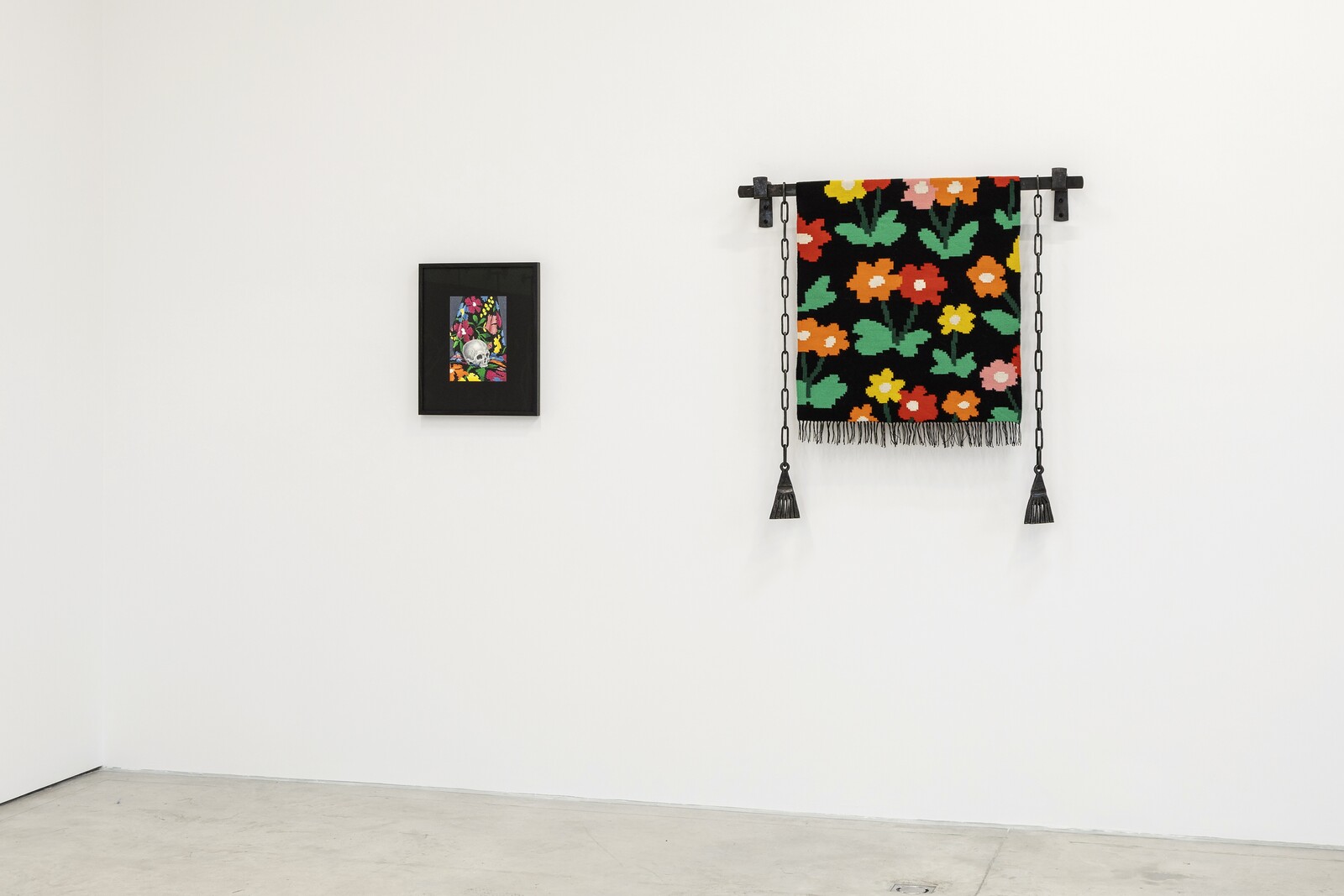
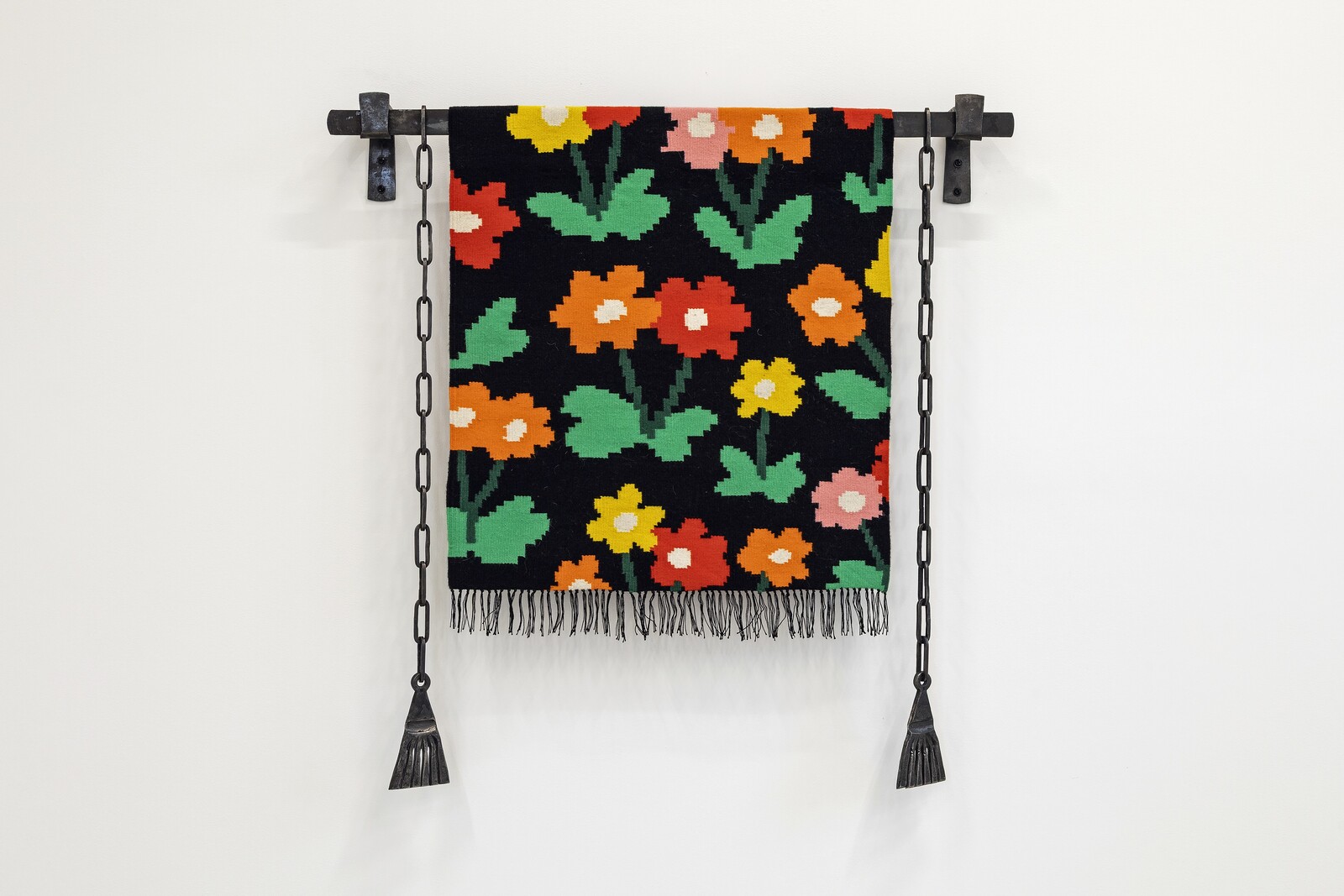
'Flowers / Lilled'
wool, linen, iron 76×70cm 2026

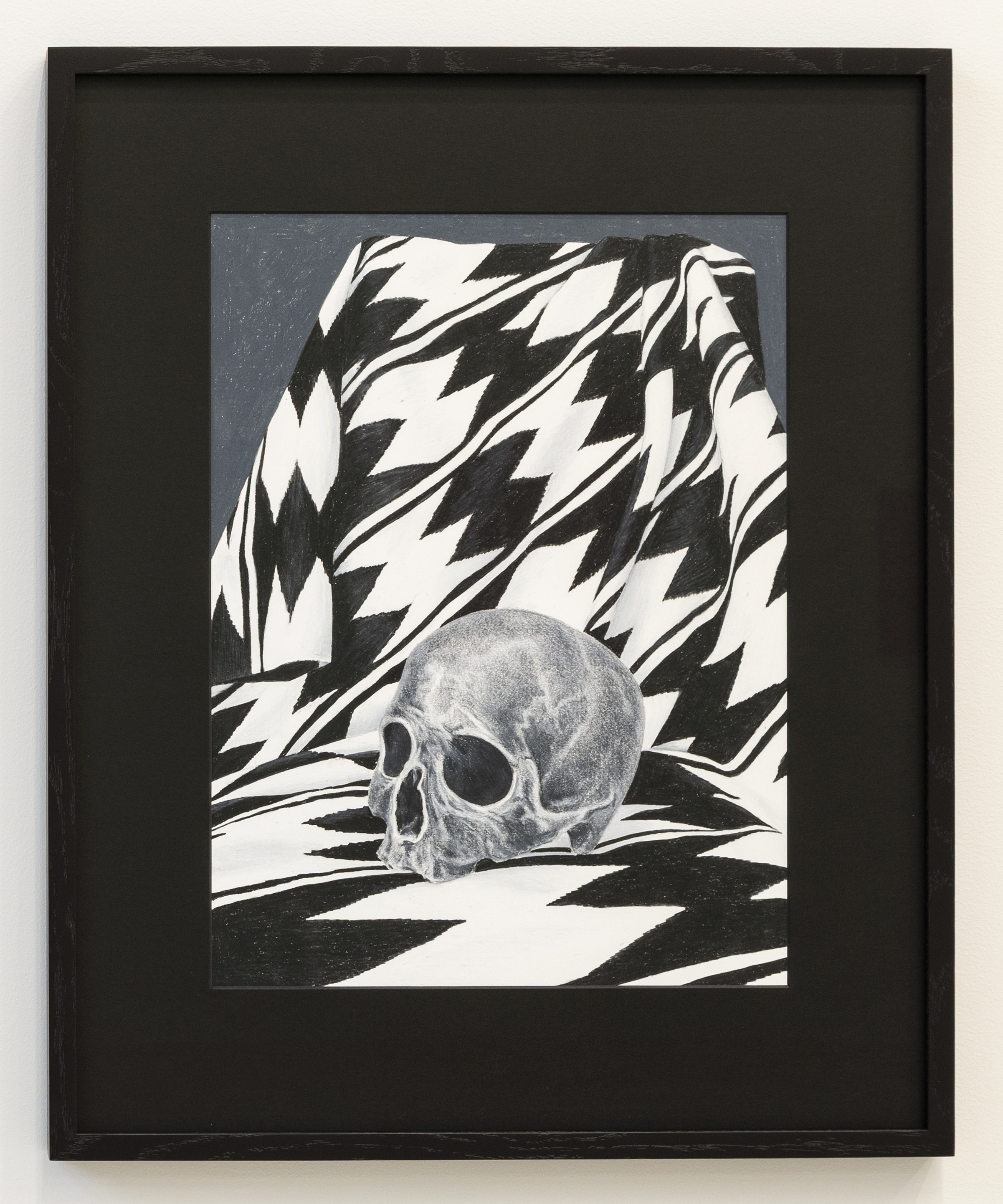
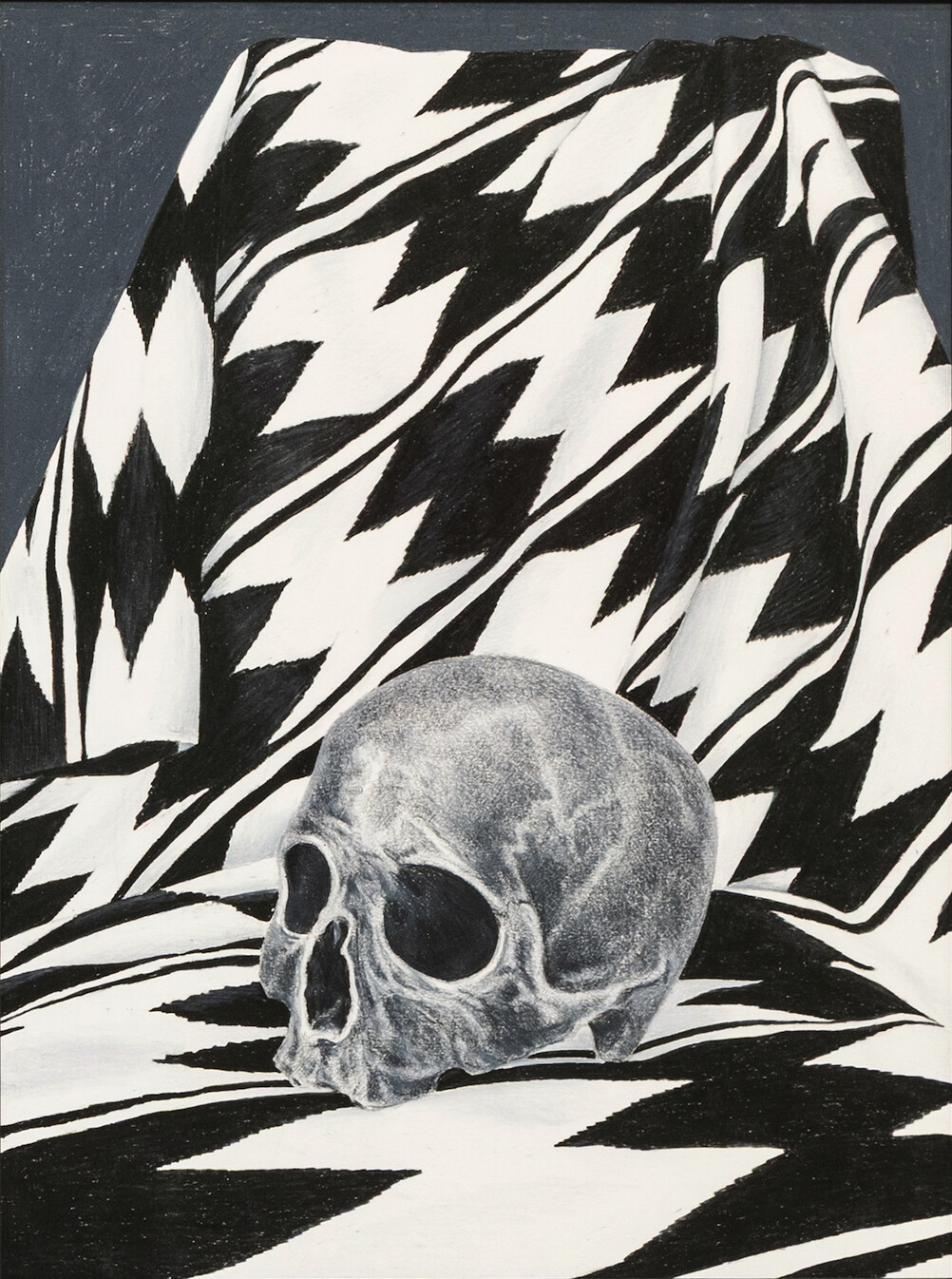
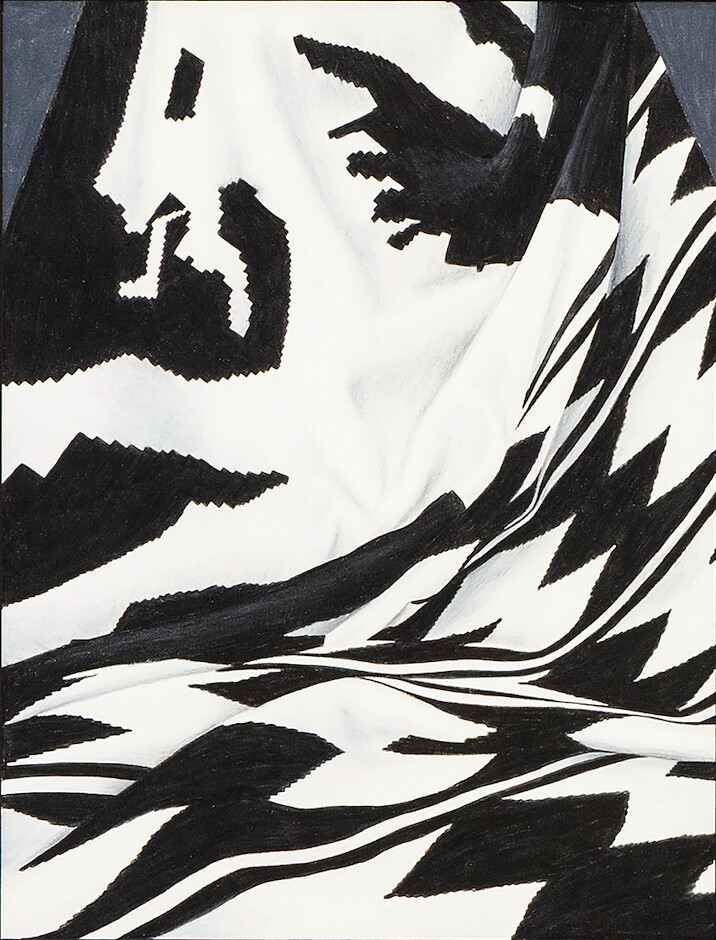
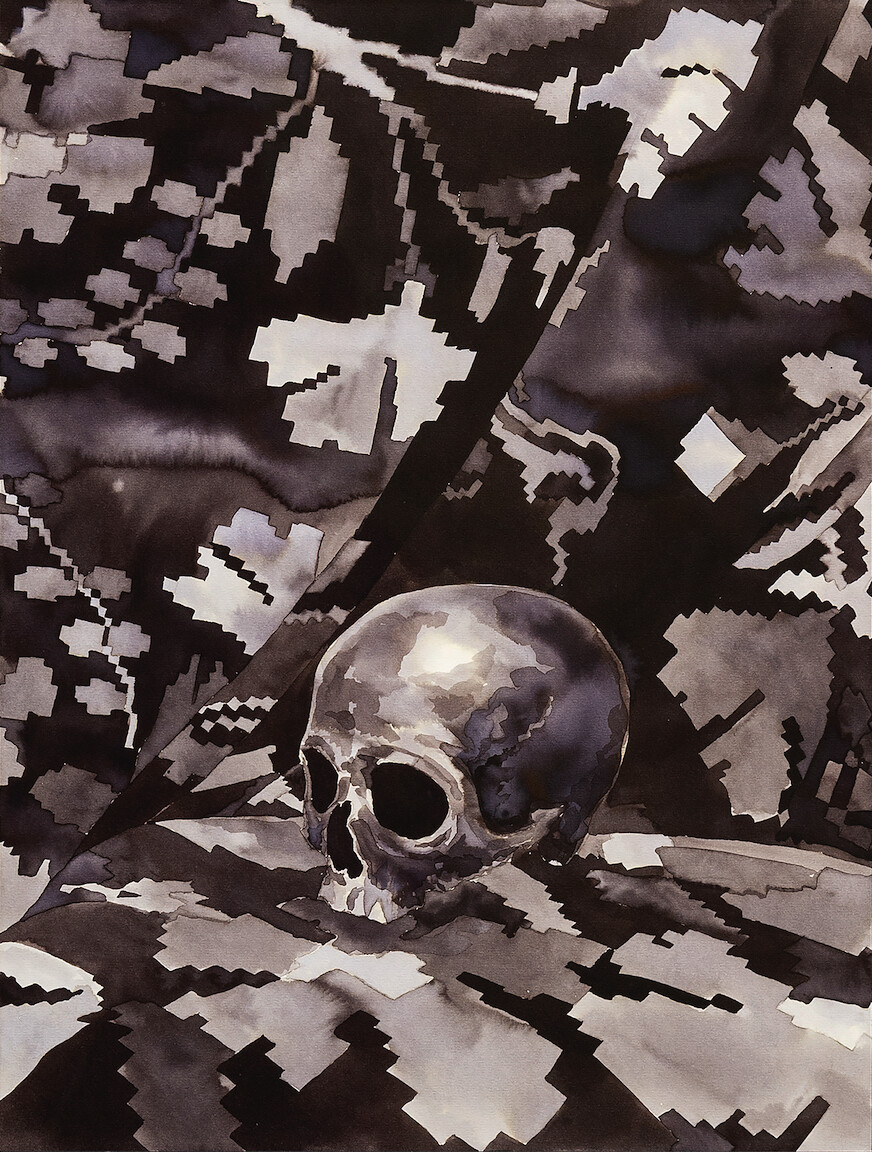
'Skull with the Bock carpet / Kolju sokuvaibaga'
crayon 43×32cm 2026
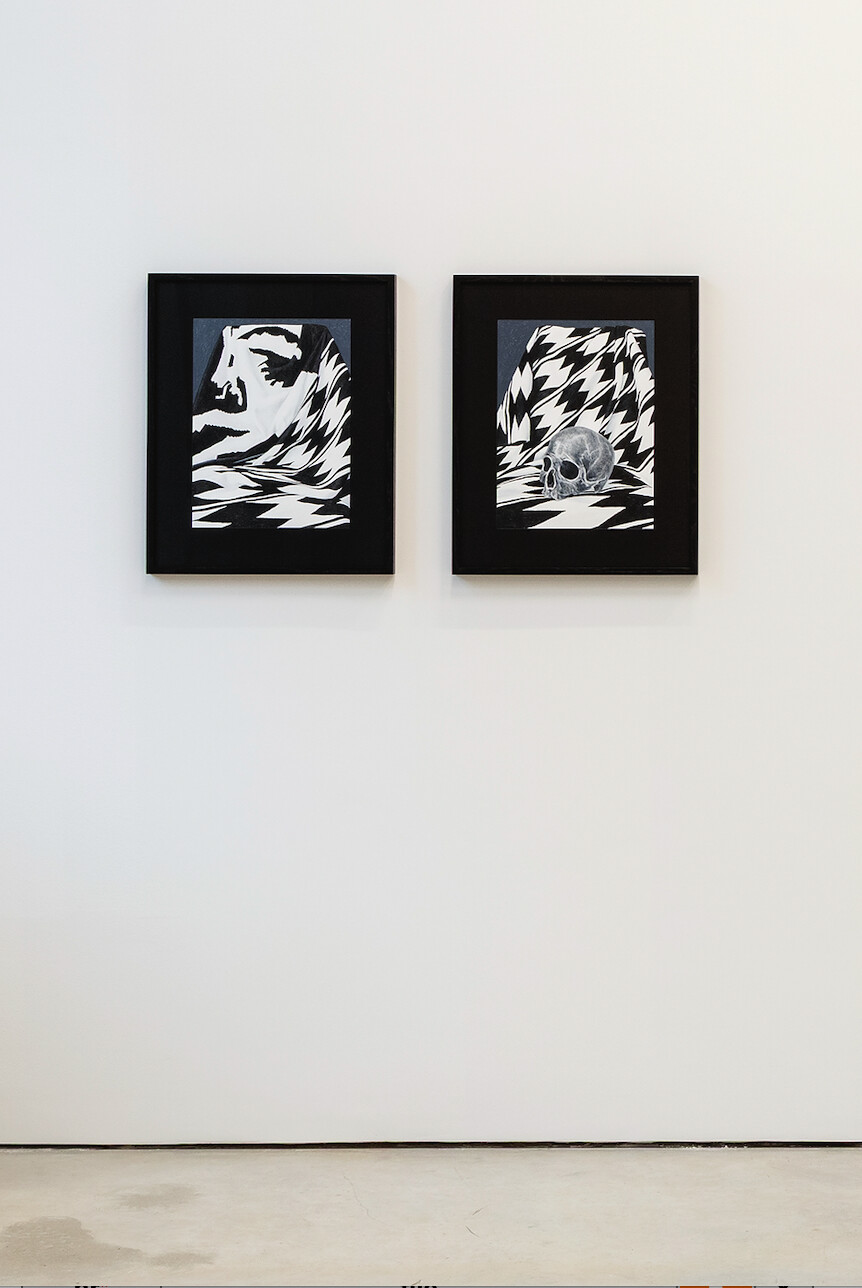

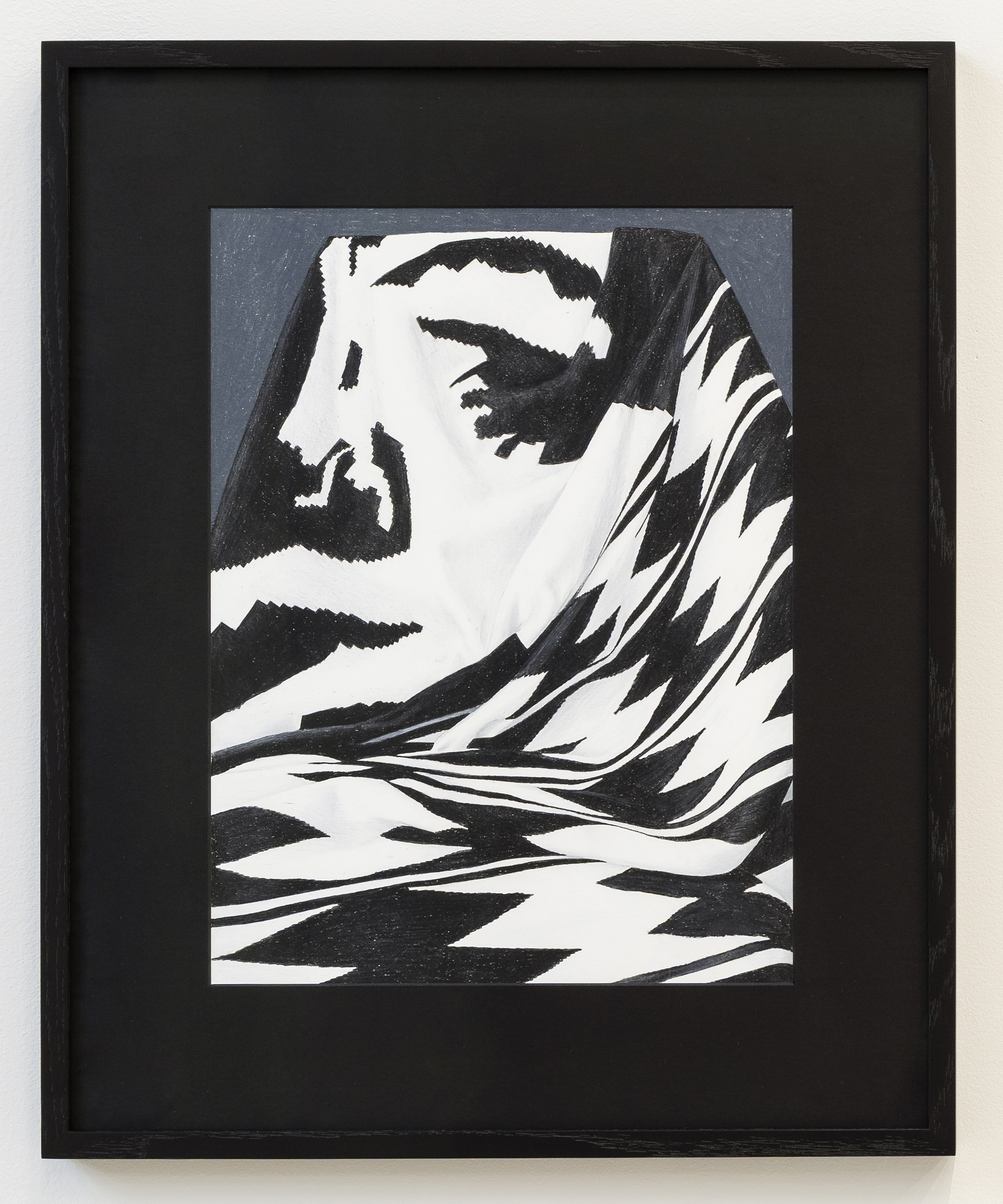
'Bock Carpet No2 / Sokuvaip nr 2'
crayon 43×32cm 2026
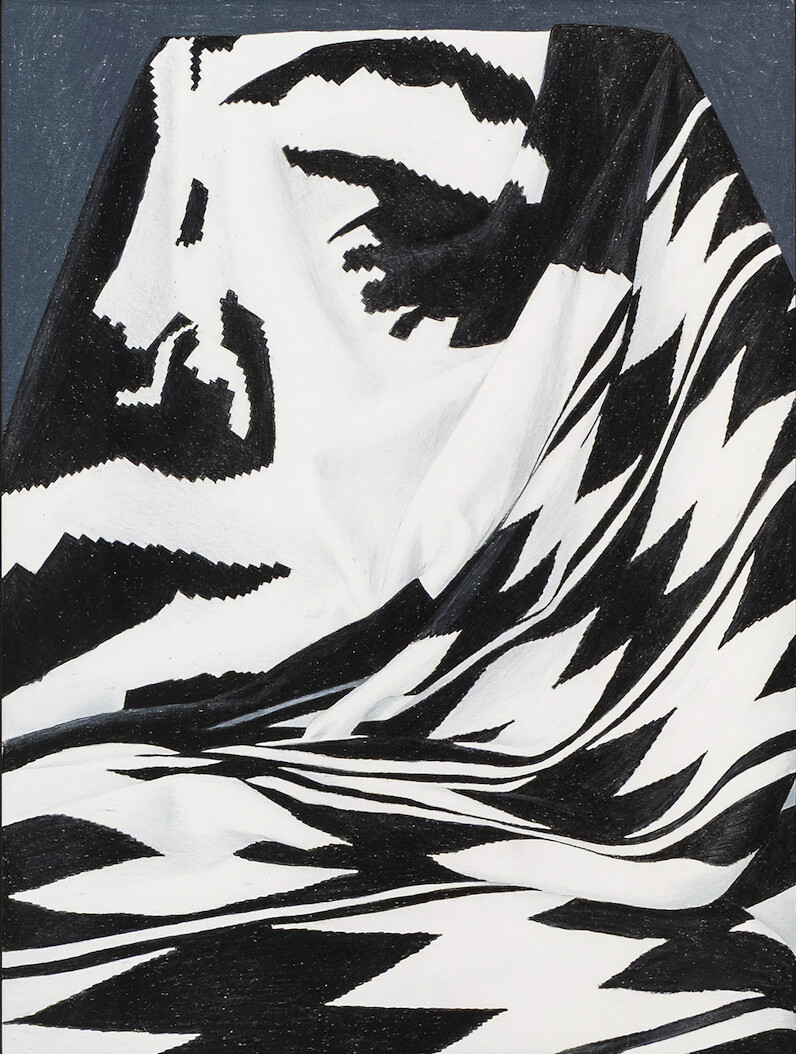

'Bock Carpet No3 / Sokuvaip nr 3'
crayon 32×24cm 2026
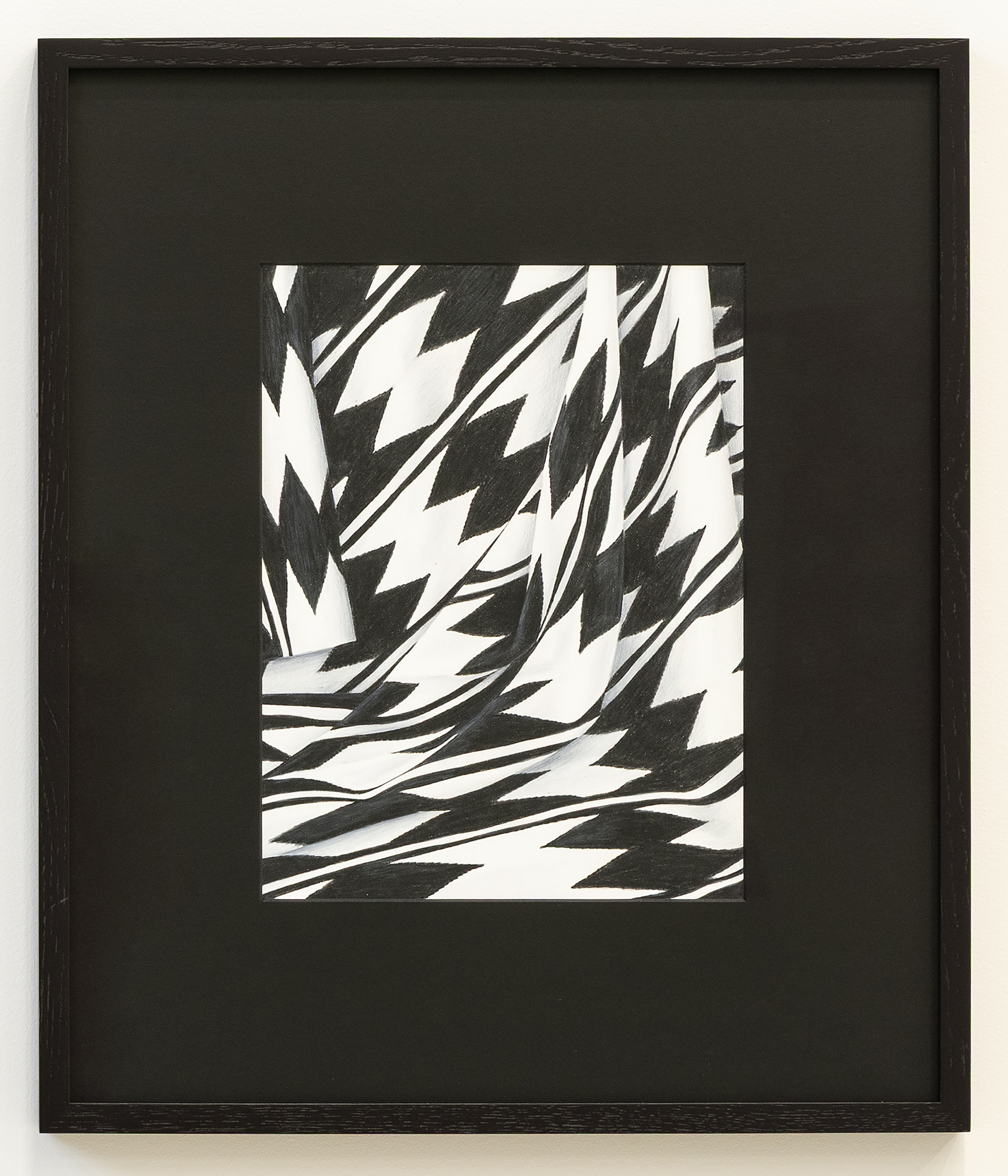
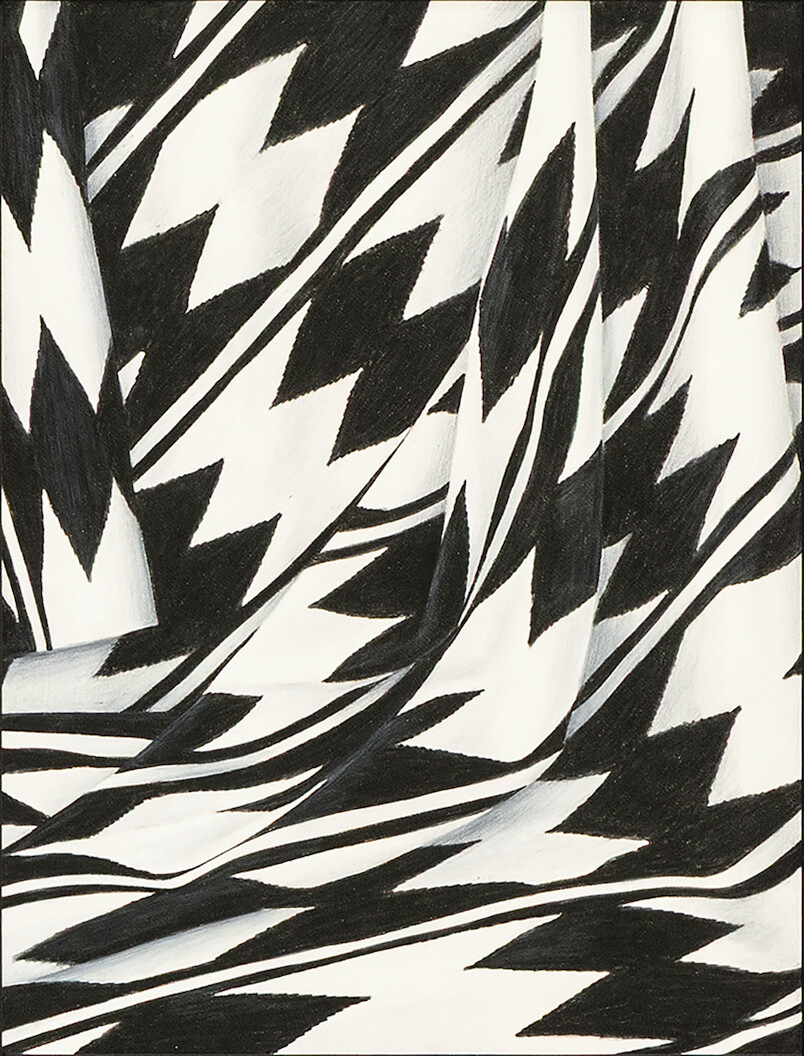
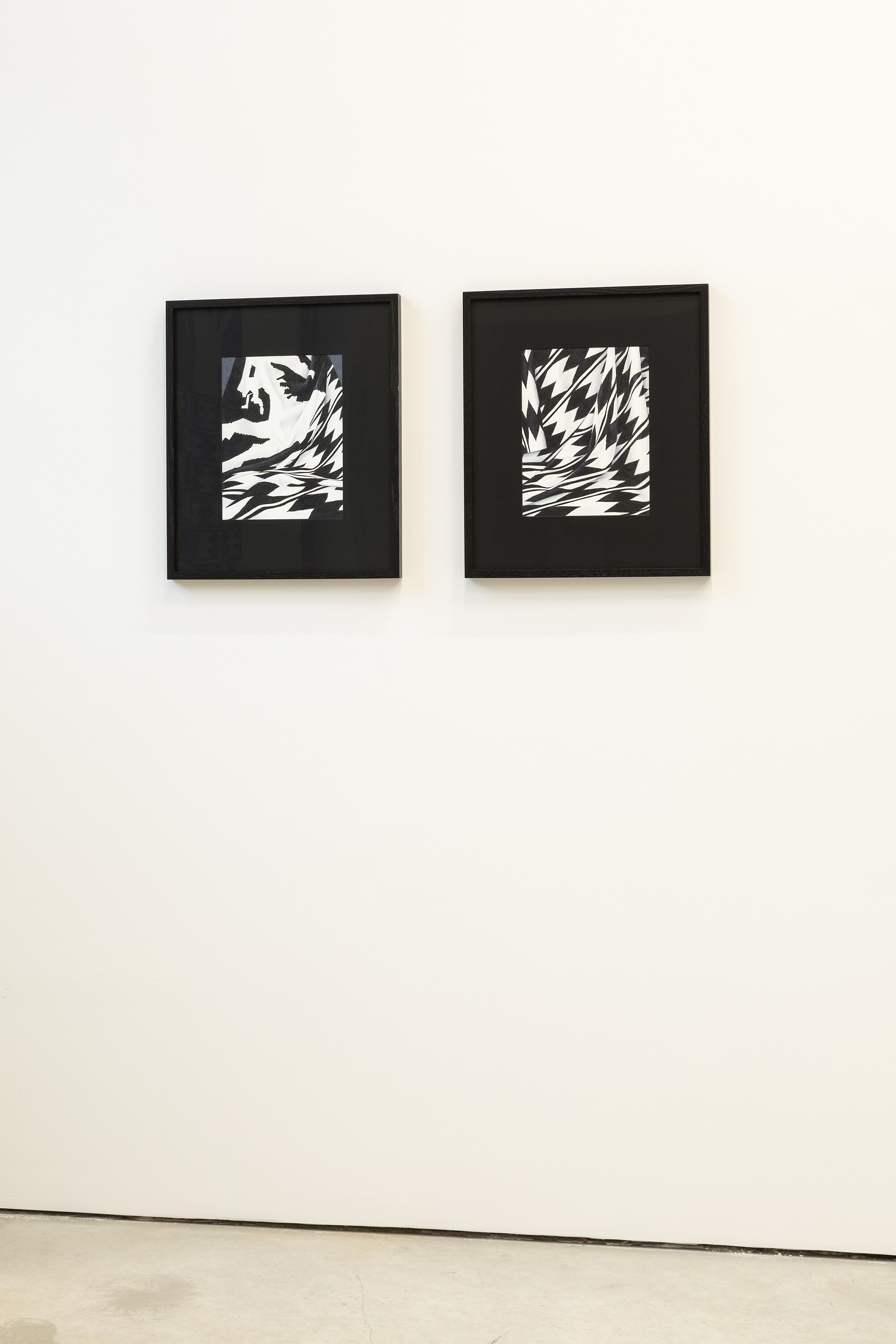

'Bock Carpet No4 / Sokuvaip nr 4'
crayon 32×24cm 2026
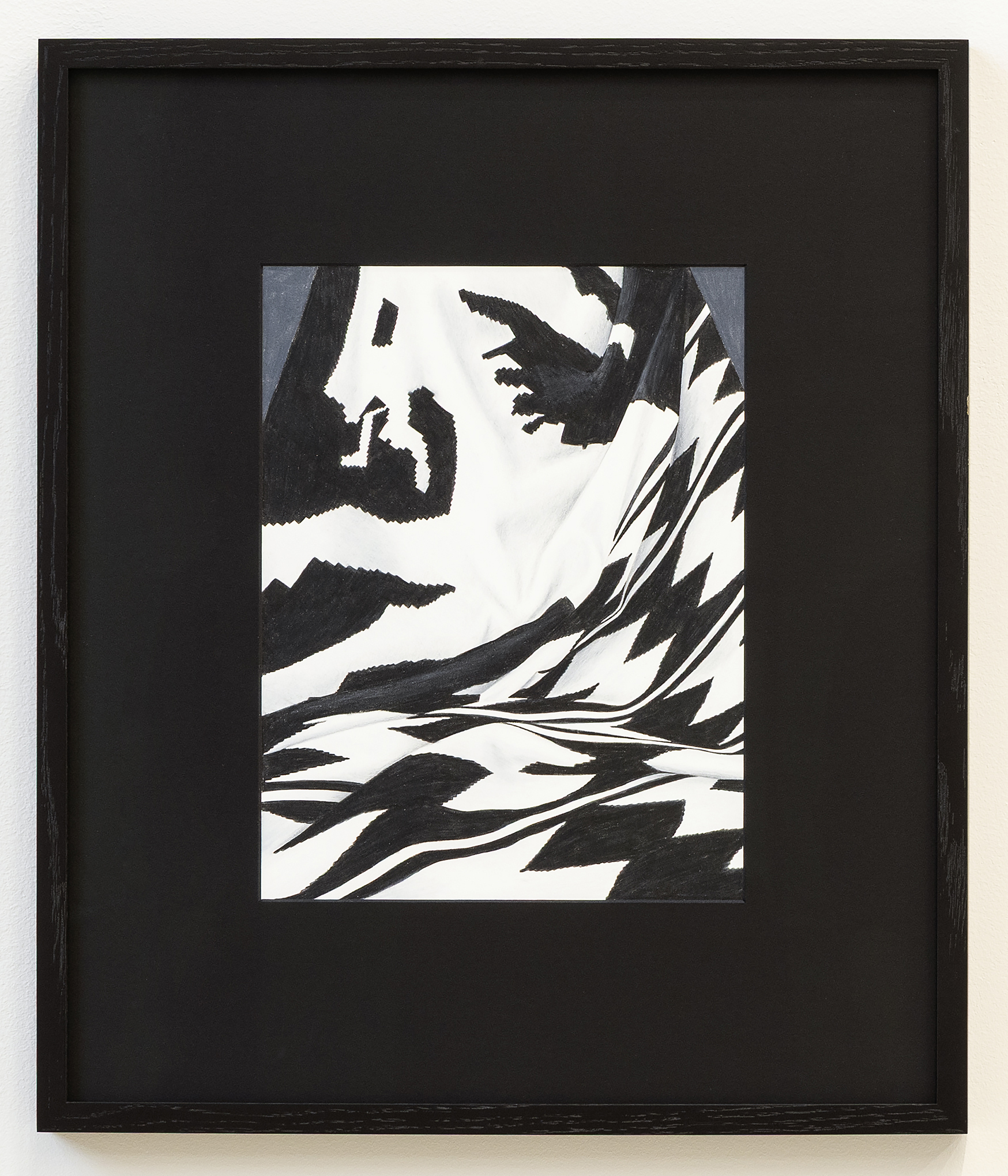

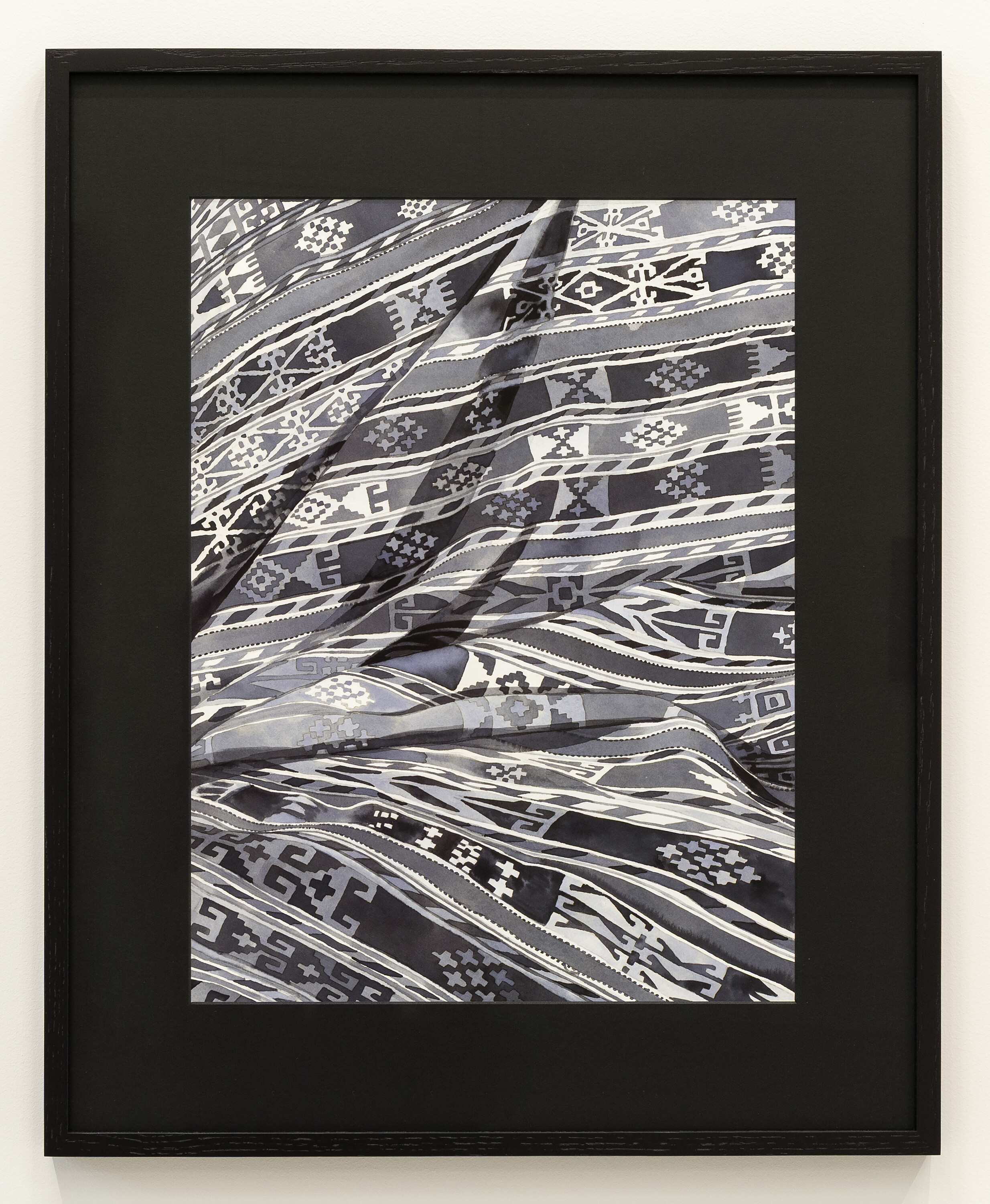
'Carpet from Uzbekistan / Usbekistani vaip'
watercolour 50×38cm 2026


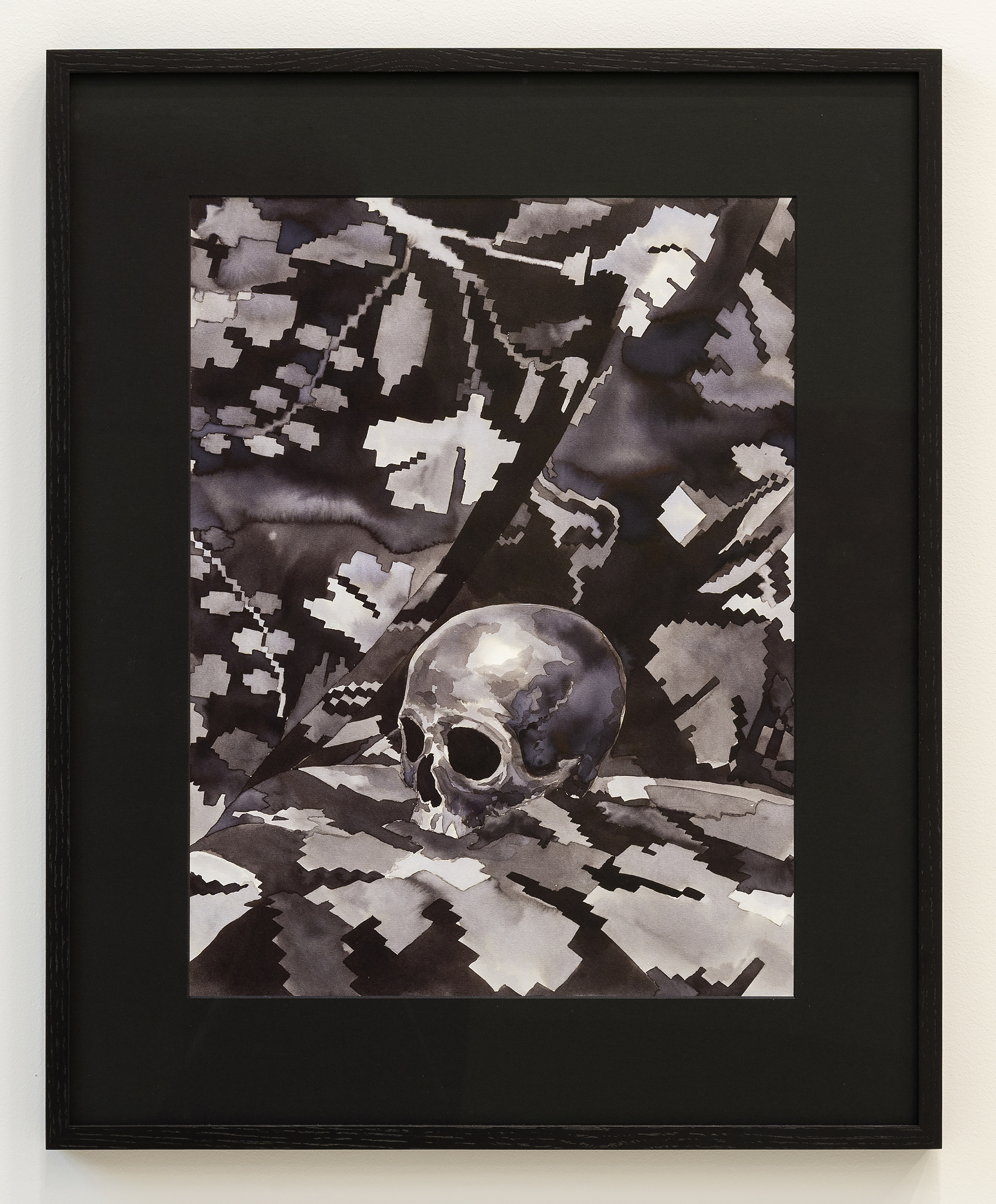
'Skull with the Carpet from Lihula No1 / Kolju Lihula vaibaga nr 1'
crayon 46×32cm 2026
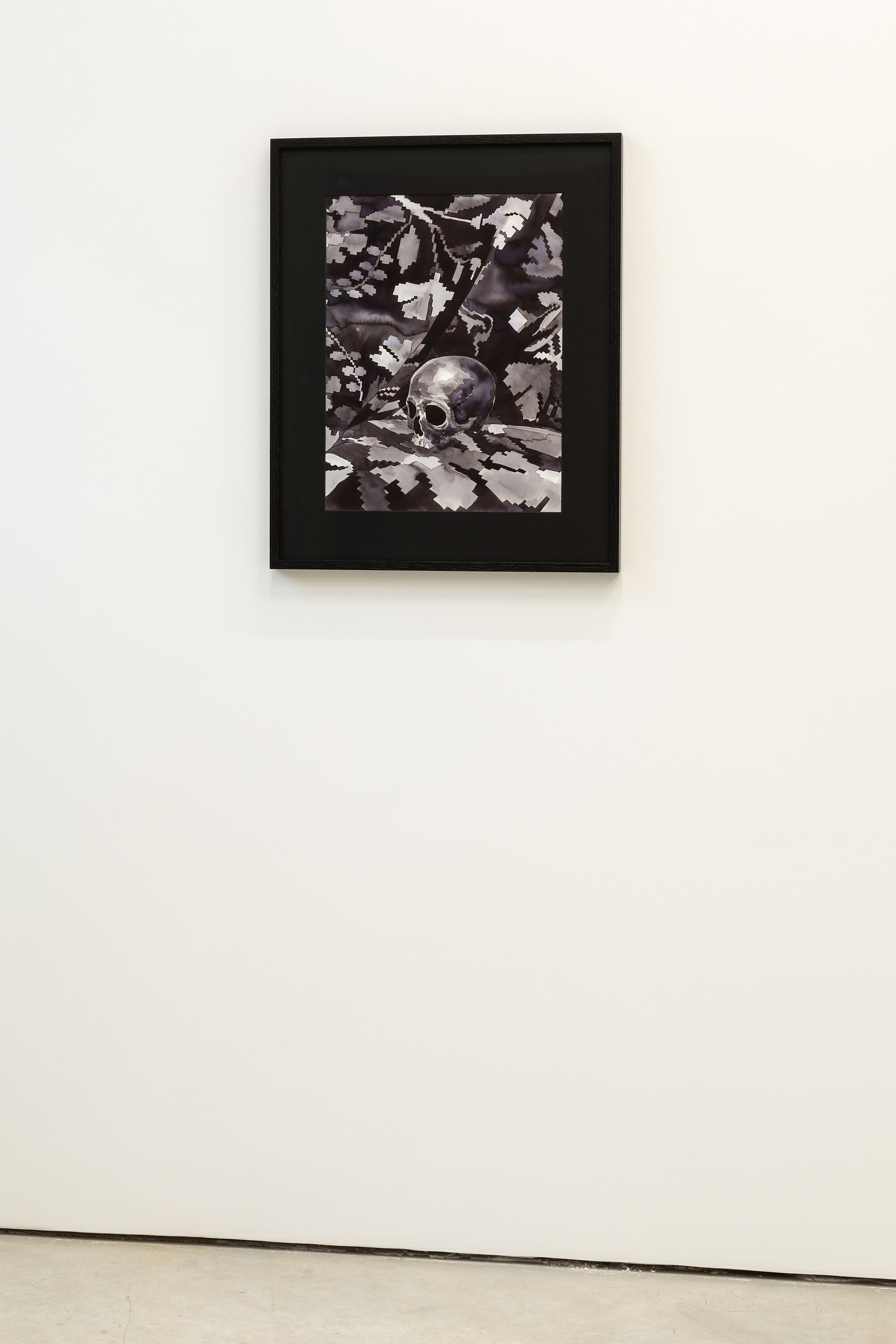
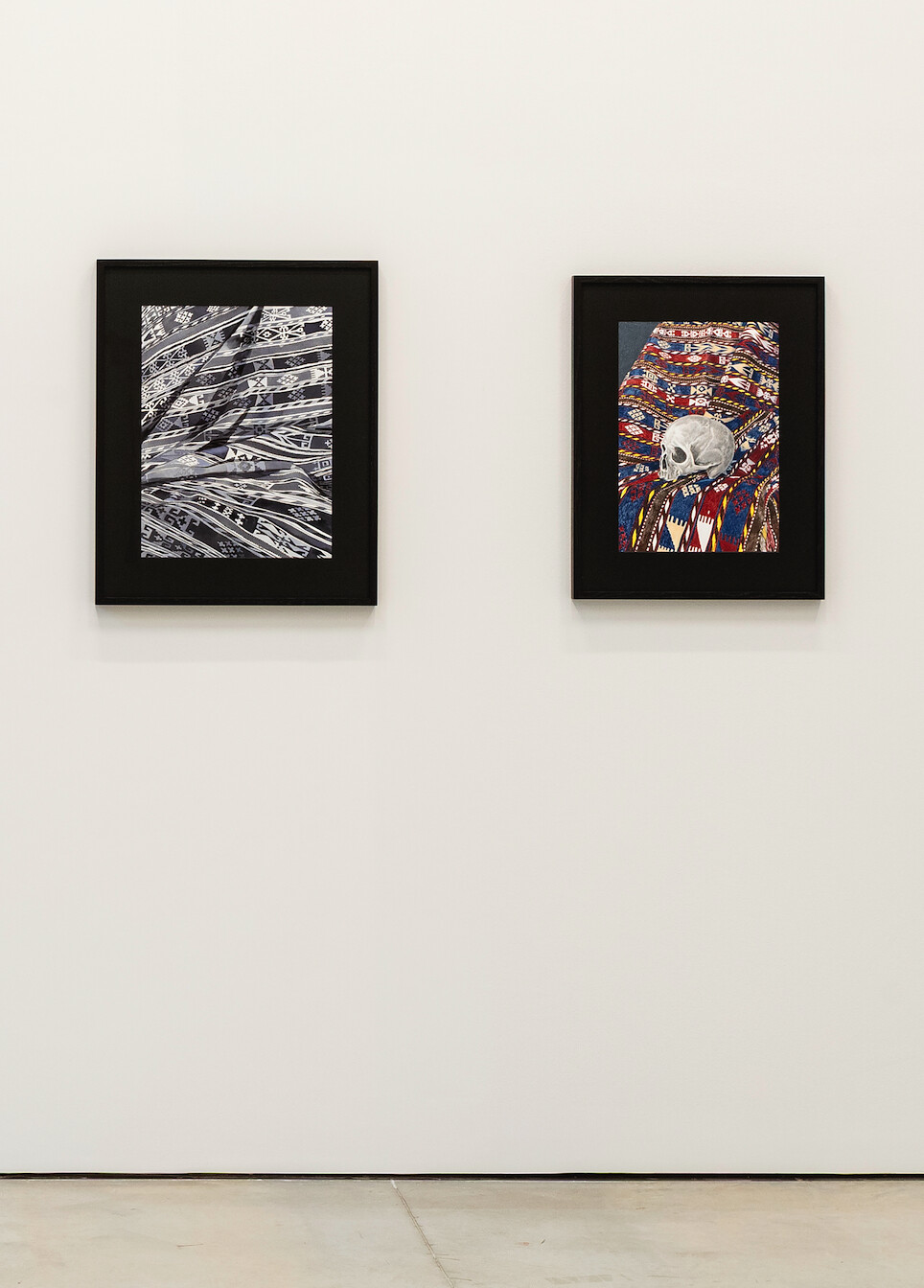
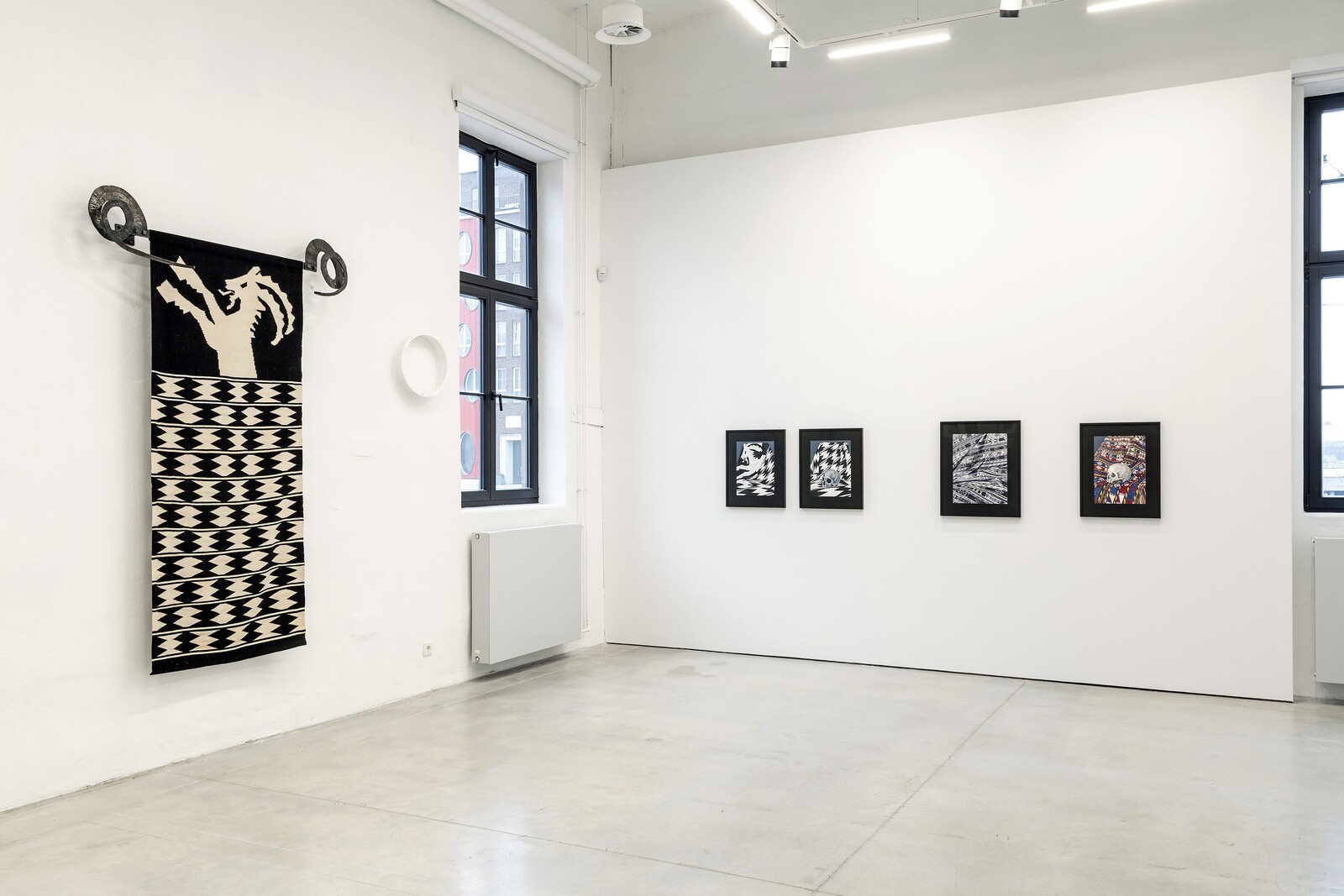
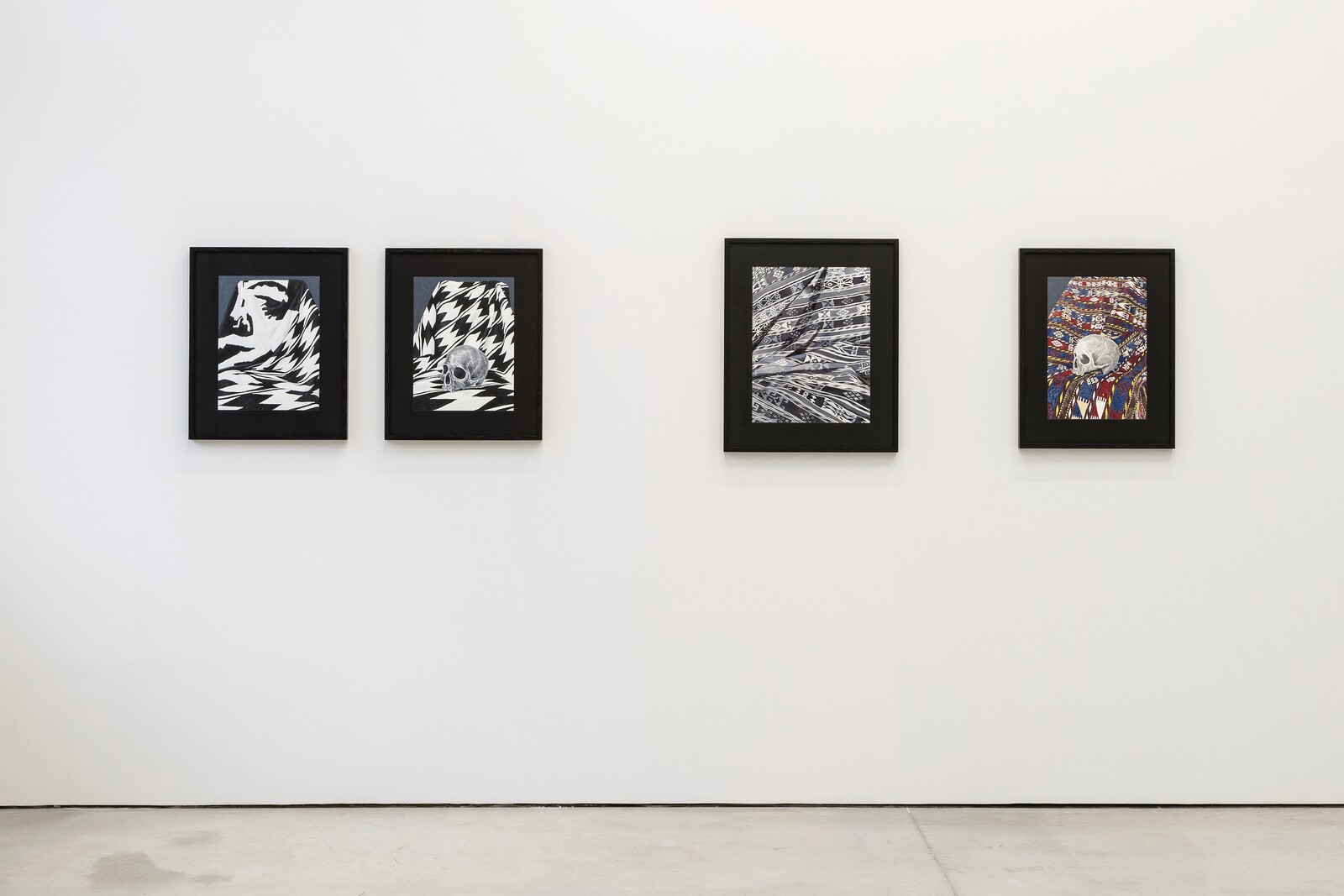
installation views
View: ,
Jaanus Samma
The Idiot Club
13.11.2026–23.01.2027
“I hate gay Halloween. What do you mean you’re part of Count Eric Stenbock’s Idiot Club?” is a meme I have never come across yet but wouldn’t be surprised to see it pop up on my fyp at the approach of next year’s spooky season.
For his latest exhibition, Jaanus Samma carries on his exploration of textiles and more specifically tapestries, while expanding on the motifs that make up their composition. If previous series of works focused on researching, reappropriating and subverting national patterns (Still Lives on National Motifs in 2022; National Utopia and Iron Men, both in 2023), these new pieces have been inspired by the life and work of a complex figure, that of count Eric Stenbock.
Having lived only 35 years (1860-1895), Eric Stenbock can be said to have had quite an impact on his contemporaries. Irish poet William Butler Yeats described him as a “scholar, connoisseur, drunkard, poet, pervert, most charming of men”1. Marked by his encounter with the inflammatory pre-Raphaelite homosexual painter Simeon Solomon2 when in Oxford for his studies, he started to live a bohemian life, filled with substances, careless with his money, but full of creativity and magic. In 1885, he inherited the Kolga Estate in Estonia, where he moved and lived for a little less than two years. Some accounts speak about a palatial residency, some others a manor.
It is in the rooms of the Kolga mansion that the works developed by Jaanus Samma could have found an appropriate nest, which turn them into a speculative archive. The first one, Bock (2026), held by two iron-horns, features a reinterpretation of the Stenbock’s family’s coat of arms. Originating from Sweden, Stenbock comes from the old Swedish word “stenbukker” which translates to alpine ibex. The bottom half, which could be interpreted as a sea from which the animal comes out or drowns in, is a hybrid pattern merging elements of the original coat of arm and a traditional Estonian carpet design motif, thus provoking an encounter between the two sides of Eric Stenbock’s families.
In The Idiot Club (2026), which gave its name to the exhibition, the characters standing in line, seemingly dancing and, in some cases, holding sticks resembling magic wands, are directly appropriated from drawings by Eric Stenbock. Jaanus Samma found these drawings in a document depicting the so-called “The Idiot Club”3, founded by the Count himself in London. To transfer these doodles – representing friends of the poet – from paper to tapestry is a gesture which holds the power to subvert values and hierarchies, a queer strategy often used by Samma – see the embroidered jockstrap works in Pattern (2021) for instance. To exhibit these two works – Bock and The Idiot Club – face to face, is also a way to put them at the same level and confront the idea of the traditional family and that of the chosen one.
The Idiot Club, a cornerstone work in the exhibition, could also depict a Danse Macabre or the Dance of Death, since the figures share so many characteristics with skeletons. Another clue leading to that direction are the iron skulls used as hanging points for the tapestry, framing the parade of flowers. Flowers which can also be found in the last woven textile work, which blurs the line between wallpaper, curtain and tapestry and channels a potpourri of references: namely Andy Warhol’s Flowers silkscreen paintings, Estonian folk art and design by the Finnish brand Marimekko. Yet again, Jaanus Samma undermines the use of tapestry as a symbol of power, turning it into a decorative piece, something that is meant for “the background”.
That very idea of the decorative textile as background is one explored by the artist in the series of drawings exhibited on the backwall of the space. Blending source materials and references for the imagined coat of arms and the flower piece, they are draped onto chairs for them to welcome skulls – for most of them. Borrowing from the genre of the nature morte – still life –, Jaanus Samma harks back to the fascination Eric Stenbock had for death, to which he dedicated his most famous literary work: Studies of Death, a collection of short stories published in 1893.
Side note: it is quite fitting for works dedicated to Eric Stenbock to be tapestries knowing that his family’s wealth mostly came from his maternal grandfather who was a cotton importer – which, this goes without saying, ties with the transatlantic slave trade.
With The Idiot Club, Jaanus Samma thus sketches a potential queer genealogy for a history made up of eccentric figures, forgotten friendships, inherited privileges and unruly desires. Rather than rehabilitating Eric Stenbock as a queer icon, he invites us to join his peculiar entourage, where the boundaries between the living and the dead, the noble and the vulgar, the ornamental and the monumental are joyfully unsettled. A family portrait of sorts, but one in which kinship is not inherited: it is invented.
See you for Halloween next year!
Text by Cédric Fauq
1 W.B Yeats, The Oxford Book of Modern Verse, 1892-1935, 1936
2 He dedicated his second book Myrtle, rue and cypress self-published in 1893 to him
3 Photography by Frederick Hollyer, ca. 1886. Image from the Biblioteca Berenson, Villa I Tatti